
Automation vs. Human Labor in Modern Warehouses | Finding the Right Balance
AB
The warehousing industry is undergoing one of the most significant transformations in its history. Rapid growth in e-commerce, rising customer expectations for faster delivery, labor shortages, and increased operational costs are forcing warehouse operators to rethink how they run their facilities. At the center of this transformation lies a critical question: How much automation is enough, and where does human labor still provide the greatest value?
Automation is no longer a futuristic concept. Robotics, warehouse management systems (WMS), artificial intelligence (AI), and autonomous vehicles are now common in distribution centers across the United States. At the same time, human workers remain essential for problem-solving, quality control, safety oversight, and operational flexibility.
Striking the right balance between automation and human labor is not simply a technology decision; it is a strategic business decision. The impact on cost structures, productivity, workforce management, customer satisfaction, and long-term competitiveness is substantial.
This article explores how automation and human labor intersect in modern warehouses, the potential impacts on the warehousing business, and how companies can find the right balance for sustainable growth.
The Rise of Automation in Modern Warehouses
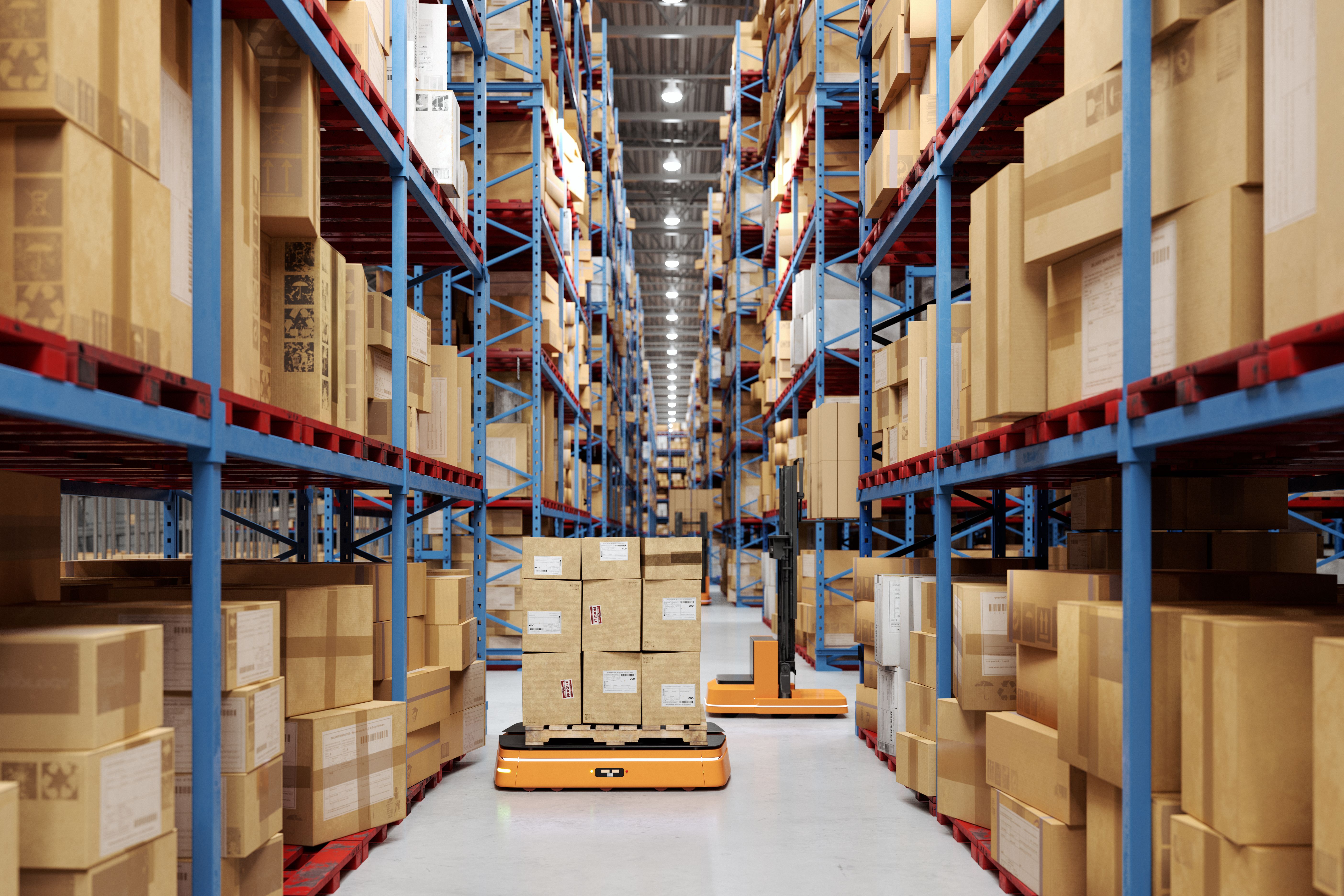
Warehouse automation refers to the use of technology to perform tasks traditionally handled by human workers. These technologies range from simple barcode scanners and conveyor belts to fully automated storage and retrieval systems (AS/RS) and robotic picking systems.
Key Types of Warehouse Automation
Robotic Picking Systems
Robots can identify, pick, and place items using computer vision and AI.
Automated Guided Vehicles (AGVs) and Autonomous Mobile Robots (AMRs)
These machines transport goods within a warehouse without human drivers.
Conveyor and Sortation Systems
High-speed systems move packages through facilities with minimal human intervention.
Warehouse Management Systems (WMS)
Software that coordinates inventory, orders, labor allocation, and reporting.
Automated Storage and Retrieval Systems (AS/RS)
Computer-controlled systems that automatically store and retrieve loads.
Automation adoption has accelerated due to labor shortages, rising wages, and increased order volumes. But while automation improves speed and efficiency, it is not a complete replacement for human labor.
The Ongoing Importance of Human Labor
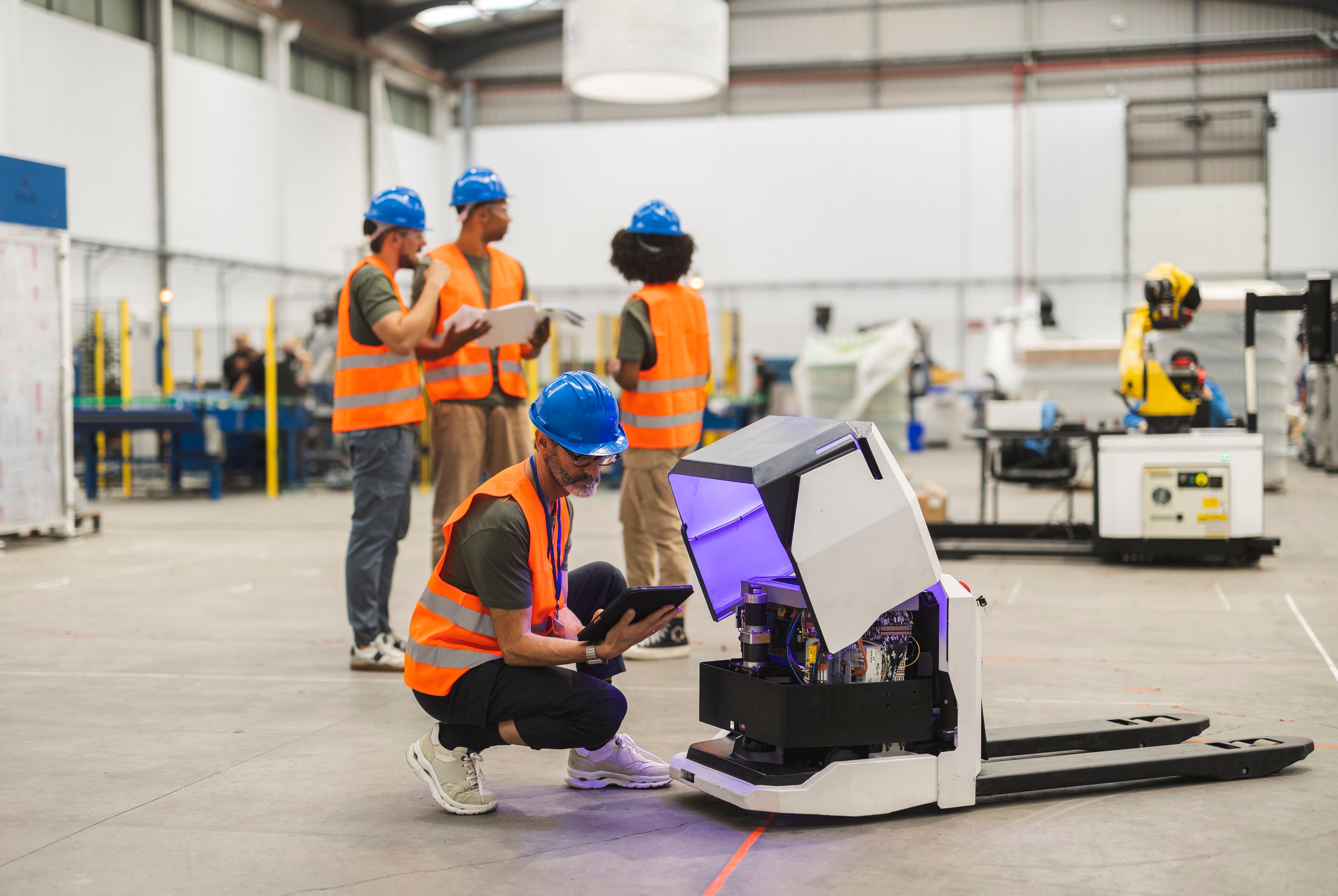
Despite advances in technology, humans remain indispensable in warehouse operations.
Where Human Labor Adds Value
Problem-Solving and Adaptability
Humans excel in situations that require judgment and flexibility, especially when unexpected issues arise.
Quality Control
Workers can identify damaged goods, packaging issues, and labeling errors more effectively in complex scenarios.
Equipment Oversight
Automation systems require monitoring, maintenance, and troubleshooting.
Customer-Specific Customization
Special packaging, labeling, or kitting often requires human attention.
Safety Management
Humans play a key role in enforcing safety protocols and responding to emergencies.
Warehouses are dynamic environments. Even the most advanced technology cannot account for every operational variable. A skilled workforce remains central to success.
Comparing Automation and Human Labor
To understand the right balance, businesses must evaluate both sides objectively.
Cost Structure
Automation
- High upfront capital investment
- Lower long-term labor costs
- Ongoing maintenance and software expenses
Human Labor
- Lower upfront investment
- Ongoing wage, training, and benefits costs
- Potential overtime and turnover expenses
Automation often improves cost predictability, while human labor provides operational flexibility.
Productivity and Speed
Automation excels in repetitive, high-volume tasks. Robots can work continuously without fatigue and maintain consistent output.
Humans, however, adapt quickly to order fluctuations, seasonal peaks, and changing product lines.
For high-SKU, fast-moving environments, automation may significantly improve throughput. In smaller or highly customized warehouses, human labor may remain more efficient.
Accuracy
Automated systems reduce picking errors through barcode scanning and guided processes. However, system malfunctions can lead to widespread operational disruptions.
Humans can catch errors through observation and experience, particularly in complex or irregular orders.
The optimal approach often integrates technology to support human workers rather than replace them.
Impact on the Warehousing Business
The shift toward automation has far-reaching implications for warehouse operators, 3PL providers, and distribution centers.
1. Capital Investment and Financial Planning
Automation requires significant upfront investment. Companies must conduct careful ROI analyses before implementation. Misaligned automation investments can strain cash flow and reduce financial flexibility.
On the other hand, failing to modernize may result in losing contracts to more technologically advanced competitors.
2. Workforce Transformation
Automation does not eliminate jobs; it changes them.
Warehouse roles are evolving toward:
- Equipment technicians
- Systems analysts
- Robotics operators
- Data-driven supervisors
This shift requires workforce retraining and upskilling. Companies that invest in employee development often see improved retention and engagement.
3. Competitive Advantage
Customers increasingly demand:
- Faster shipping
- Real-time tracking
- Higher accuracy
- Lower costs
Automation enables businesses to meet these expectations. However, warehouses that rely solely on automation without skilled human oversight may struggle with service quality.
The competitive edge lies in blending technology with operational expertise.
4. Scalability and Flexibility
Automation provides scalability in high-volume environments. But scaling automation takes time and capital.
Human labor provides short-term scalability, especially during peak seasons. Temporary labor can fill demand gaps, though often at higher costs.
The most resilient warehouses combine both strategies.
5. Risk Management
Over-automation can create operational risk. A system outage may halt the entire operation.
Balanced facilities can continue limited operations manually during system failures.
Diversification of operational methods reduces business continuity risk.
Strategies for Finding the Right Balance
Modern warehouses should not approach automation as an all-or-nothing decision.
1. Conduct a Process Audit
Identify repetitive, high-volume tasks that are ideal for automation. Leave complex, variable tasks for human workers.
2. Start with Hybrid Models
Implement technology that supports workers rather than replaces them:
- Pick-to-light systems
- Wearable scanners
- Collaborative robots (cobots)
This enhances productivity without eliminating human oversight.
3. Focus on Data
Use WMS analytics to identify bottlenecks and labor inefficiencies. Automation should solve real operational challenges, not theoretical ones.
4. Invest in Workforce Development
Train employees to operate, manage, and maintain automated systems. This reduces resistance to change and improves long-term performance.
5. Maintain Operational Flexibility
Avoid rigid systems that cannot adapt to evolving business models. E-commerce, omnichannel fulfillment, and customer-specific requirements demand flexibility.
Long-Term Industry Outlook
Automation in warehousing will continue expanding over the next decade. Artificial intelligence, predictive analytics, and robotics will become more advanced and accessible.
However, full warehouse automation remains rare due to cost, complexity, and variability in operations. The most successful companies will not eliminate human workers; they will redefine their roles.
The future warehouse will likely feature:
- Human-machine collaboration
- Data-driven decision-making
- Flexible automation systems
- Skilled technical teams
This balanced model will allow businesses to control costs, maintain quality, and adapt to market shifts.
The Human Element: Why It Still Matters
Even in highly automated facilities, customer relationships depend on reliability, accountability, and communication qualities driven by people.
Warehousing is more than moving boxes. It is about:
- Meeting deadlines
- Protecting inventory
- Ensuring compliance
- Supporting supply chains
Technology supports these goals, but people ensure they are achieved consistently.
Conclusion
Automation is reshaping the warehousing industry, offering significant improvements in efficiency, accuracy, and scalability. At the same time, human labor remains essential for adaptability, quality control, and operational oversight. The true opportunity lies not in choosing one over the other, but in strategically integrating both.
Warehousing businesses that adopt a balanced approach can reduce costs, enhance service levels, and build long-term resilience in an increasingly competitive market.
If your organization is evaluating how to optimize operations while maintaining flexibility and service excellence, AWT Warehouse Services offers experienced, forward-thinking solutions that combine operational expertise with modern efficiency. Discover how a balanced strategy can elevate your warehouse performance and position your business for sustained growth.