
Cross-Docking Strategies to Reduce Storage Costs and Improve Warehouse Throughput
AB
Warehousing has evolved dramatically over the past decade. As supply chains become faster and more complex, businesses increasingly look for strategies that reduce storage costs while improving operational efficiency. One of the most effective approaches to gaining momentum is cross-docking.
Cross-docking is a logistics strategy that minimizes or eliminates the need for long-term storage in warehouses. Instead of storing products for extended periods, goods are received at a distribution facility and immediately sorted, consolidated, and shipped to their next destination. This process significantly reduces inventory handling time, improves throughput, and lowers operational expenses.
In 2026, cross-docking is expected to become an essential component of modern supply chain operations, especially for companies seeking speed, efficiency, and cost optimization. Warehousing providers that successfully integrate cross-docking strategies will likely gain a competitive advantage in a market increasingly driven by rapid fulfillment and streamlined logistics.
This article explores how cross-docking works, the strategies used to implement it effectively, and its expected impact on the warehousing industry in 2026.
Understanding Cross-Docking
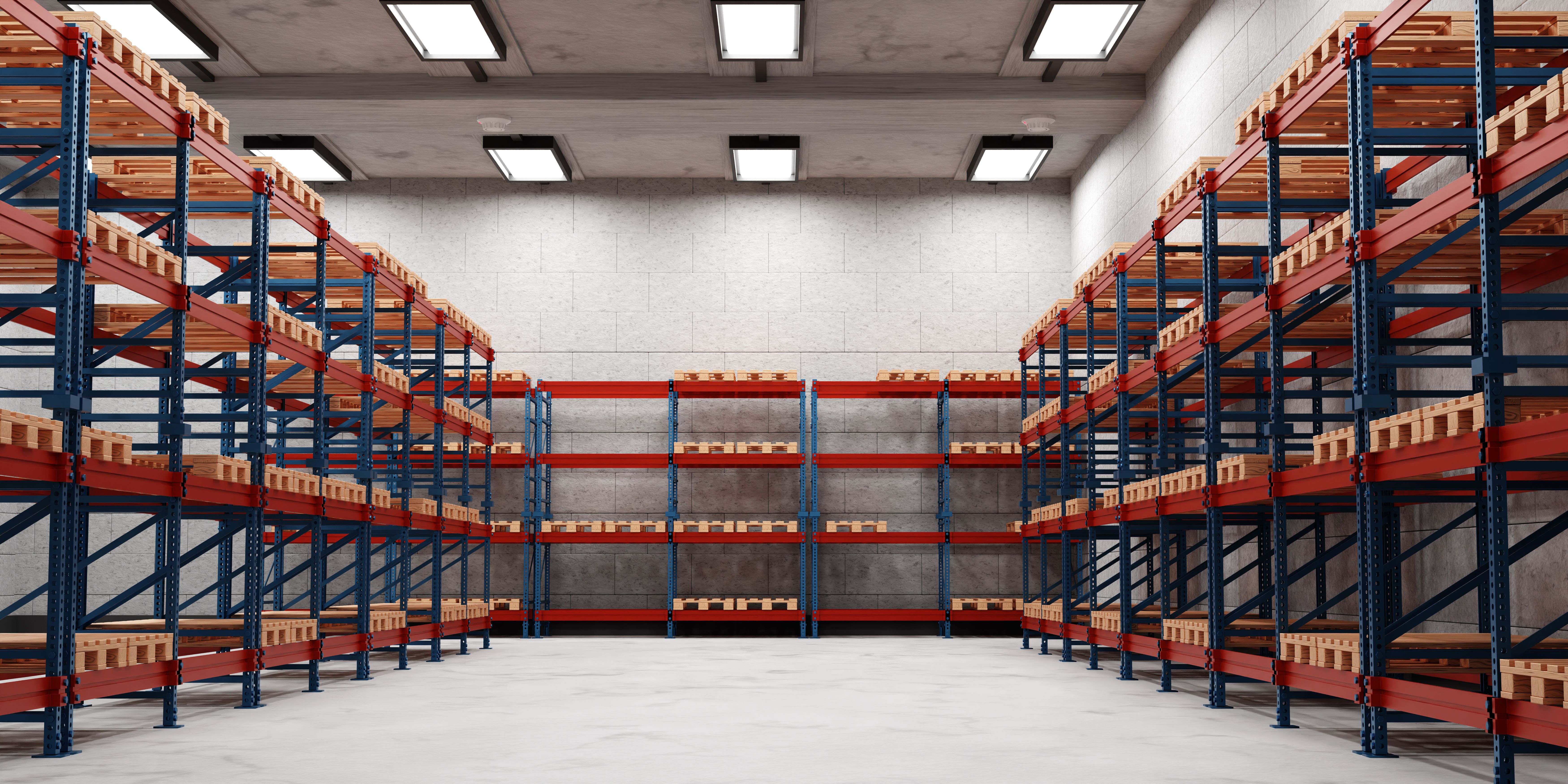
Cross-docking is a supply chain management method where products move directly from inbound transportation to outbound transportation with minimal or no storage time. Instead of placing goods into warehouse inventory, items are quickly transferred across the dock to waiting for trucks or distribution routes.
The process typically involves the following steps:
- Inbound shipment arrives at the warehouse
- Products are unloaded and sorted
- Items are consolidated with other shipments
- Products are immediately loaded onto outbound trucks
This approach is particularly useful for businesses handling high-volume goods, perishable items, or fast-moving inventory.
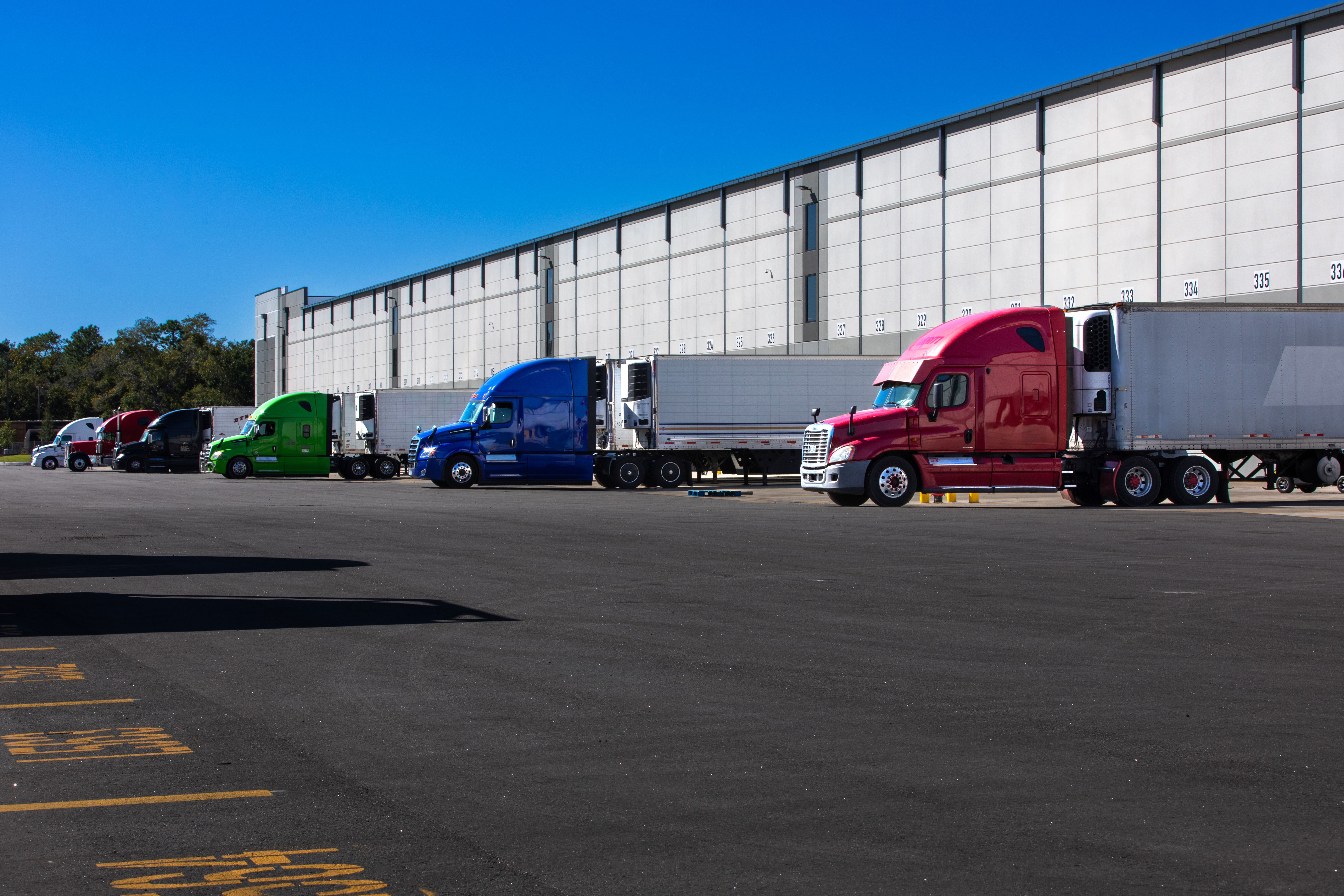
Cross-docking facilities are often designed with long dock doors on both sides of the building to allow inbound and outbound trucks to operate simultaneously, improving efficiency and reducing transfer times.
Why Cross-Docking Matters for Cost Reduction
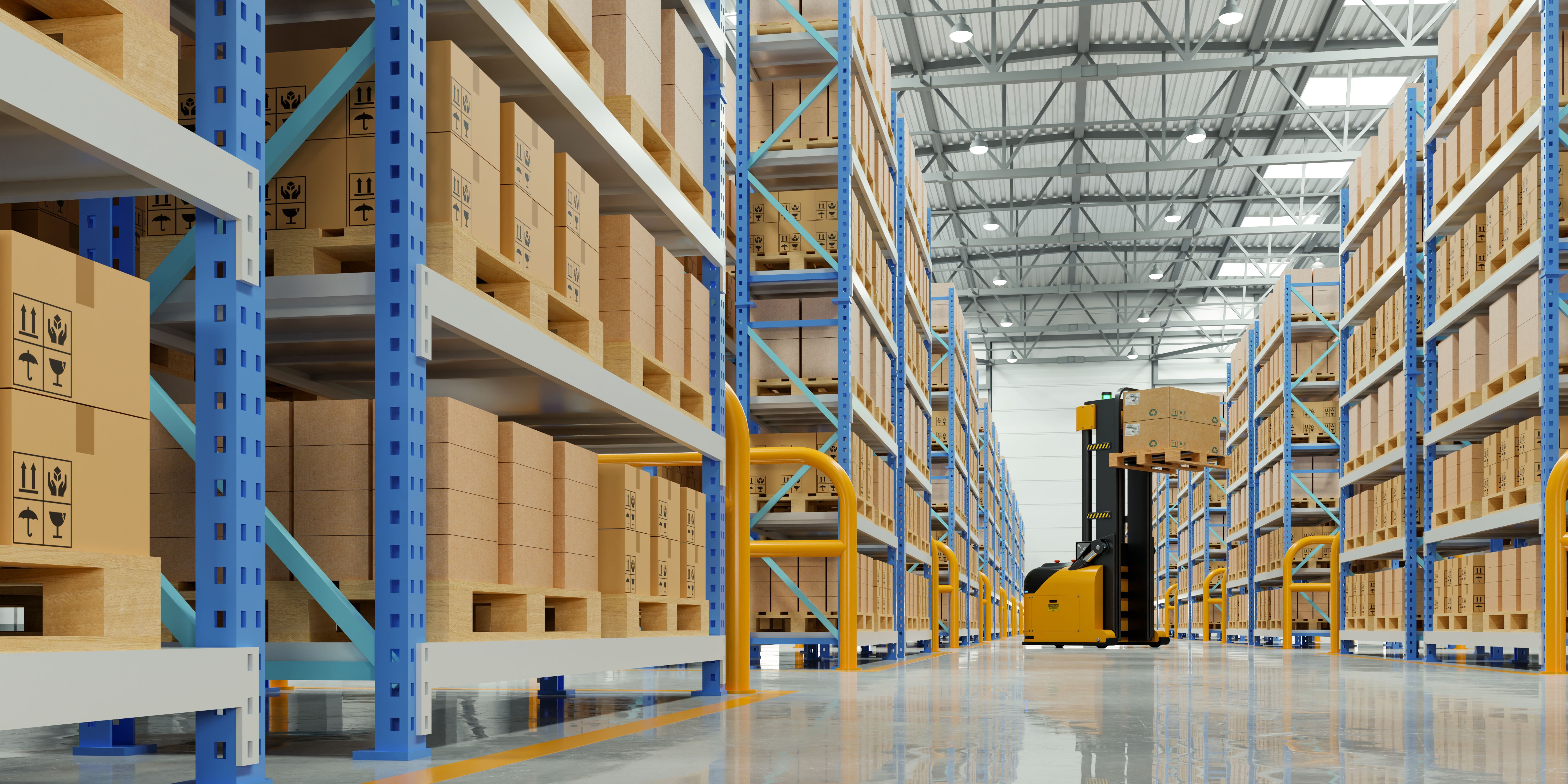
Traditional warehousing involves multiple cost centers including storage space, labor for inventory management, and equipment for material handling. Cross-docking helps minimize these expenses by eliminating or reducing the storage phase.
Reduced Storage Costs
One of the most significant financial benefits of cross-docking is the reduction in storage expenses. When goods move directly from receiving docks to shipping docks, businesses no longer need to allocate large warehouse areas for long-term inventory storage.
This allows companies to:
- Reduce warehouse square footage requirements
- Lower rent or property expenses
- Decrease utility and maintenance costs
For businesses operating in major logistics hubs where real estate costs are high, this reduction in storage space can generate substantial savings.
Lower Inventory Carrying Costs
Inventory carrying costs include expenses related to capital investment, insurance, depreciation, and risk of product obsolescence. Because cross-docking reduces the amount of inventory sitting idle in warehouses, companies can lower these financial burdens.
Reduced inventory levels also improve cash flow since capital is not tied up in stored goods.
Decreased Handling Costs
Traditional warehousing requires several handling steps: receiving, storing, picking, packing, and shipping. Cross-docking eliminates the storage and picking phases, reducing labor requirements and equipment usage.
Fewer handling steps mean:
- Lower labor costs
- Reduced equipment wears and maintenance
- Less product damage during movement
Improving Throughput with Cross-Docking
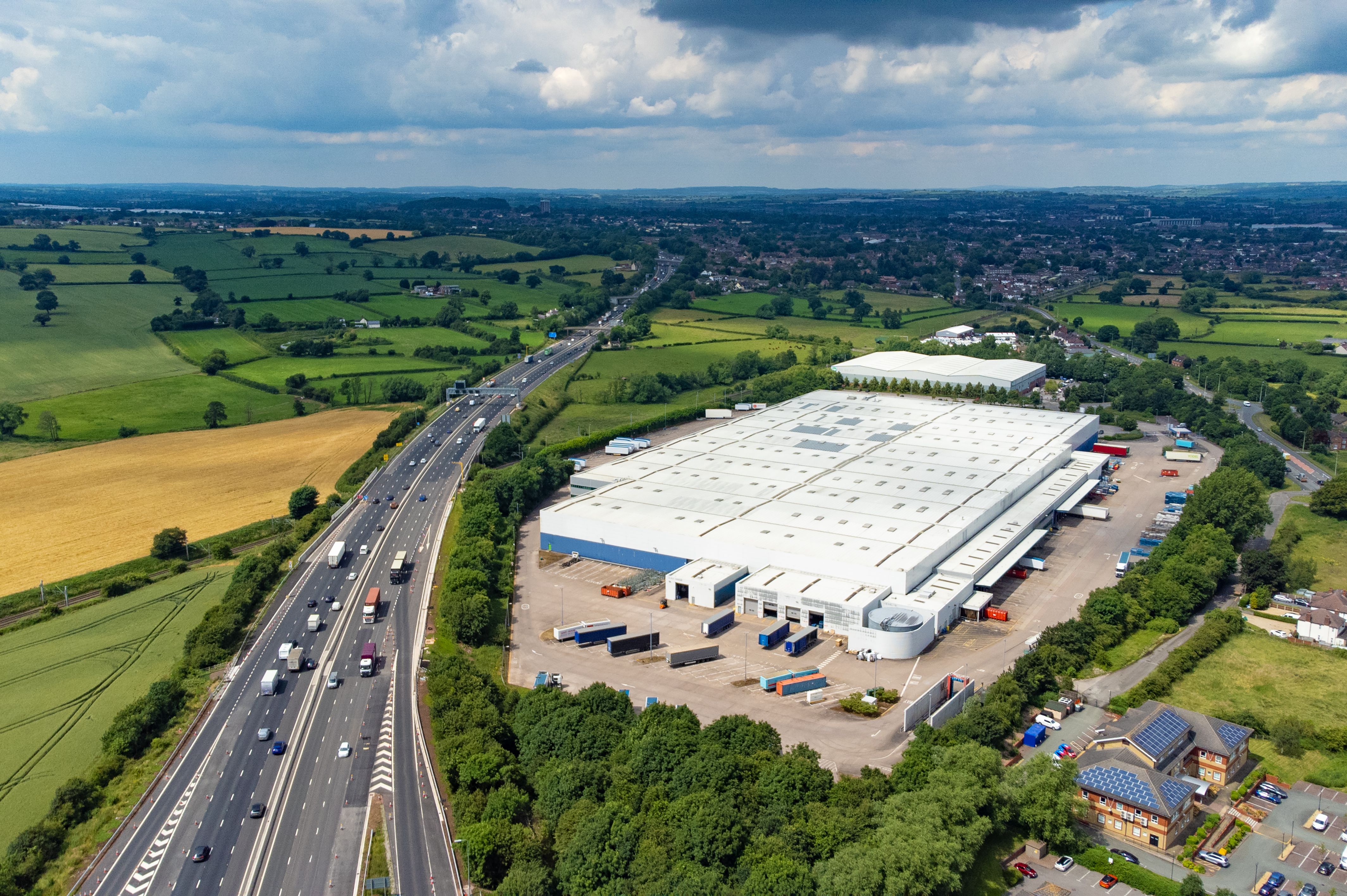
Throughput refers to the amount of goods that move through a warehouse over a specific period. Cross-docking significantly increases throughput by accelerating the flow of products through the facility.
Faster Product Movement
Because goods spend little to no time in storage, products move quickly through the warehouse. This faster movement is especially valuable for industries with high demand variability, such as retail, e-commerce, and grocery distribution.
Companies can replenish stores faster and respond more quickly to market demand.
Enhanced Supply Chain Speed
In modern logistics, speed often determines competitiveness. Cross-docking reduces lead times between suppliers and customers by eliminating intermediate storage delays.
This allows businesses to:
- Shorten delivery windows
- Improve customer satisfaction
- Support same-day or next-day delivery models
Better Transportation Efficiency
Cross-docking also enables shipment consolidation. Goods from multiple suppliers can be combined into full truckloads destined for the same region or retailer.
This reduces transportation costs and improves fleet utilization.
Key Cross-Docking Strategies
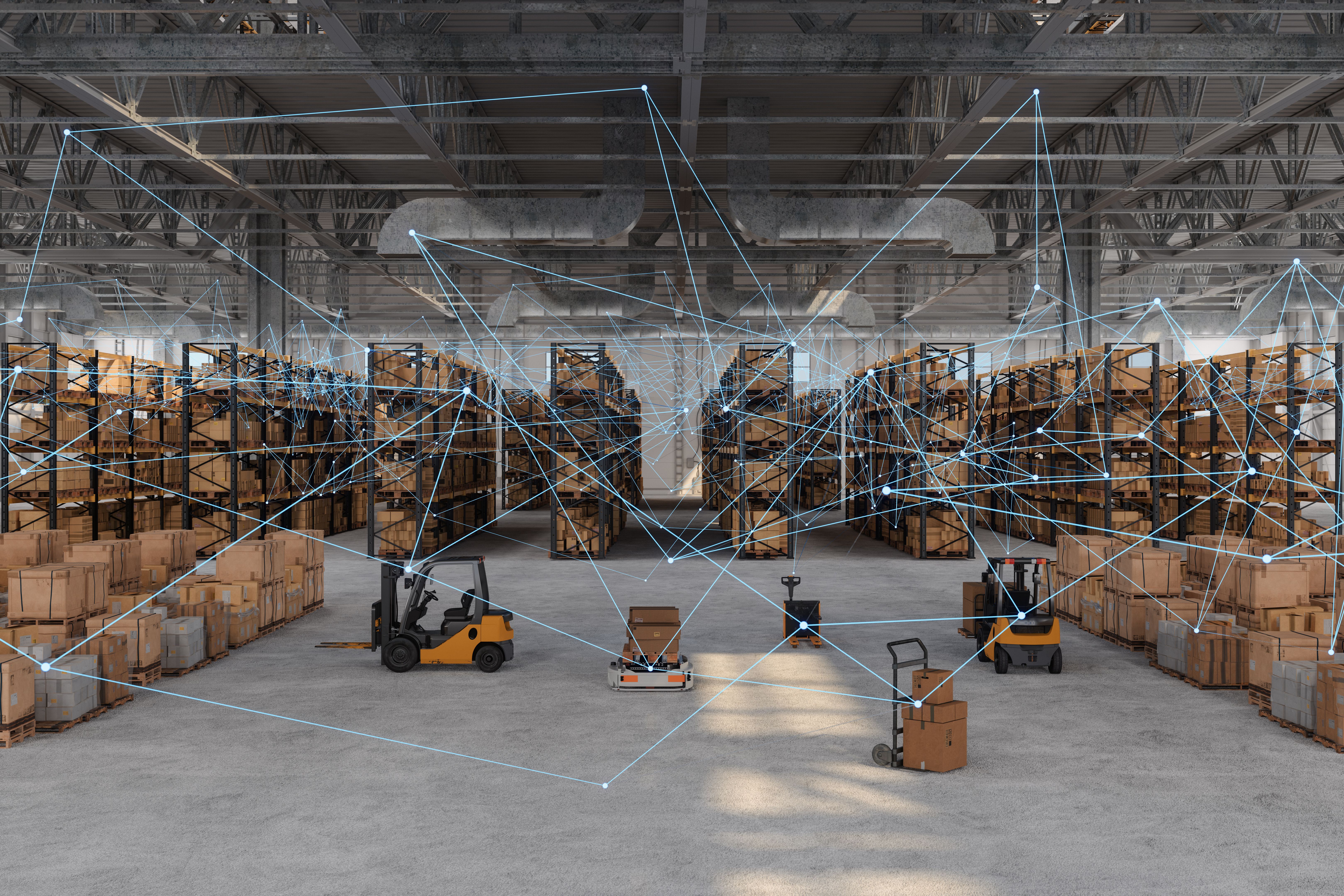
Successful cross-docking operations require careful planning and coordination. Several strategies help warehouses maximize the benefits of this logistics approach.
Pre-Distribution Cross-Docking
In pre-distribution cross-docking, products are already assigned to specific customers before arriving at the warehouse. When shipments arrive, workers immediately sort them according to predetermined delivery routes.
This strategy works well when demand forecasts are accurate, and order information is available in advance.
Benefits include:
- Faster sorting and dispatching
- Reduced handling time
- Improved delivery scheduling
Post-Distribution Cross-Docking
Post-distribution cross-docking allows warehouses to allocate products after receiving them. This strategy offers greater flexibility when demand patterns are uncertain or when product destinations may change.
After arrival, goods are sorted based on real-time orders or updated demand forecasts.
This method is often used in industries where customer demand fluctuates frequently.
Continuous Flow Cross-Docking
Continuous flow of cross-docking involves a constant movement of goods through the facility. Products arrive at one dock, are quickly sorted, and move directly to outbound docks without stopping.
This system relies heavily on automation, conveyor systems, and real-time inventory management.
Continuous flow cross-docking is particularly effective for high-volume operations such as retail distribution centers.
Consolidation Cross-Docking
Consolidation of cross-docking combines smaller shipments into larger outbound loads. This helps maximize truck capacity and reduce shipping costs.
For example, multiple suppliers may ship products to a distribution center where they are consolidated into a single delivery to a retail chain.
This approach improves transportation efficiency and reduces the number of shipments required.
Technology Enabling Cross-Docking
Modern cross-docking operations rely heavily on technology to maintain speed and accuracy.
Warehouse Management Systems (WMS)
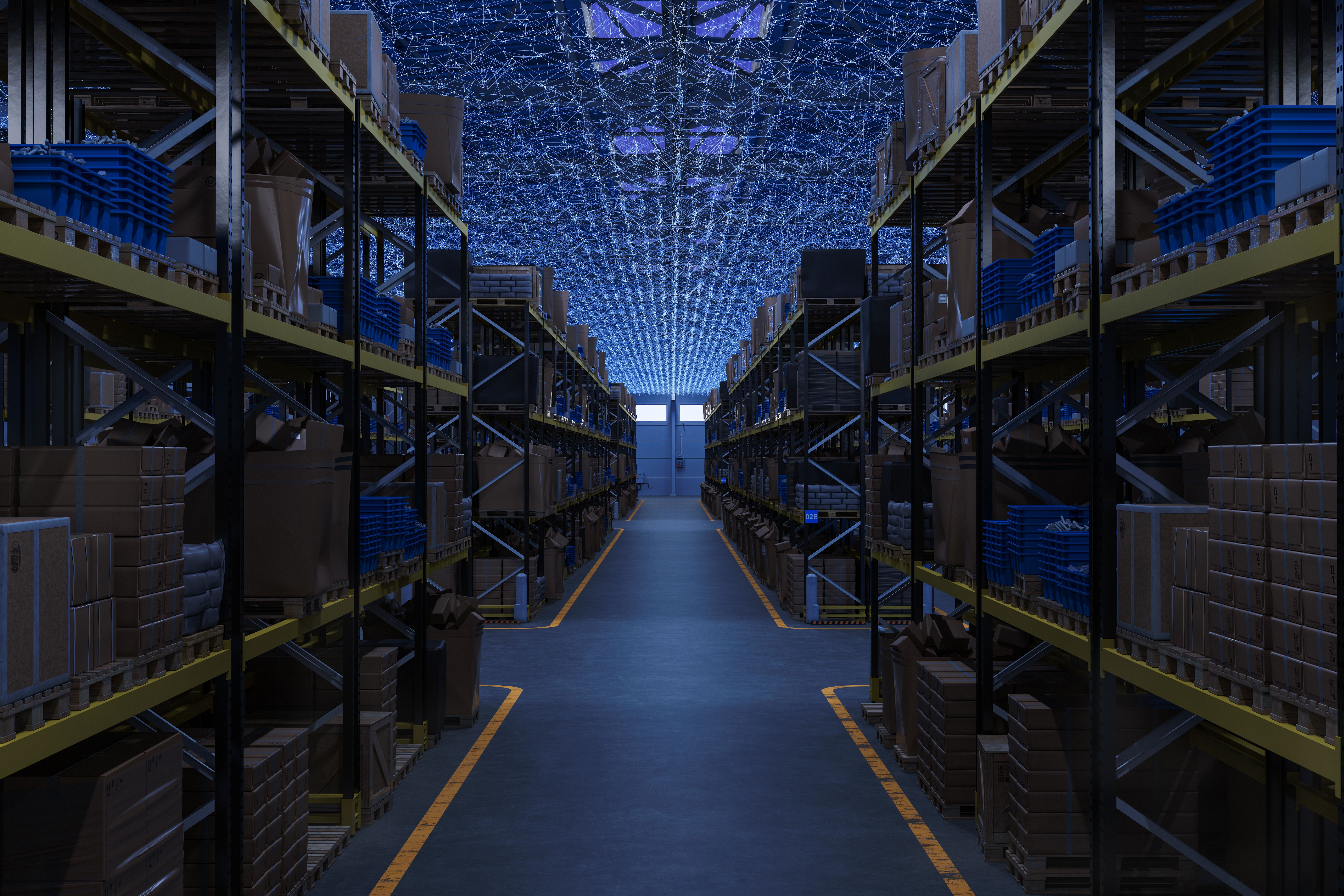
A Warehouse Management System coordinates inbound and outbound shipments, assigns dock doors, and tracks product movement in real time.
Advanced WMS platforms allow warehouses to schedule arrivals and departures efficiently, preventing congestion and delays.
Real-Time Data and Analytics
Real-time data enables warehouse managers to monitor shipment status, track inventory flow, and adjust operations based on changing demand.
Analytics also help identify bottlenecks and optimize dock utilization.
Automation and Robotics
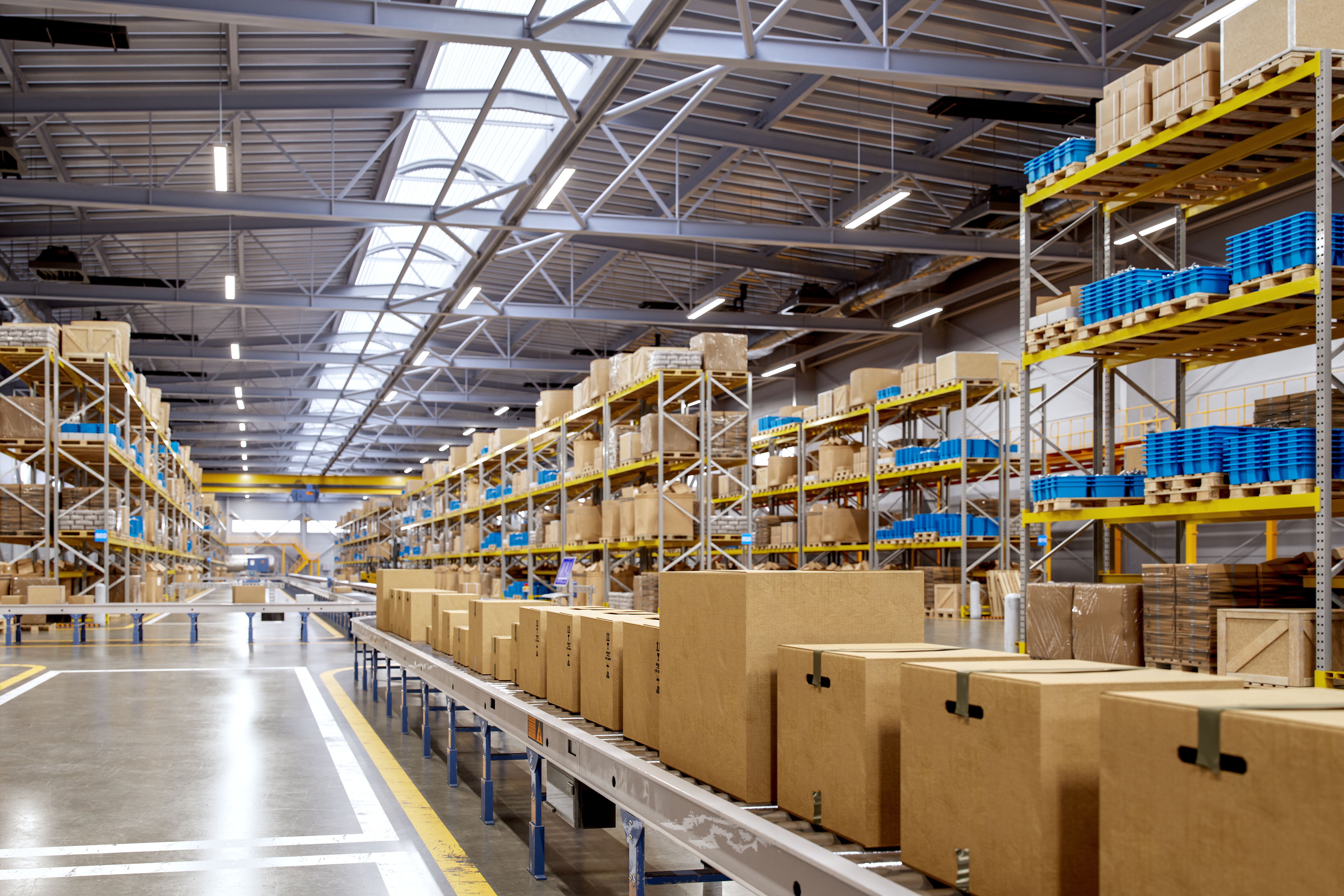
Automation technologies such as conveyor belts, automated sorting systems, and robotic pallet movers significantly increase cross-docking speed.
These systems reduce manual labor while maintaining consistent throughput.
RFID and Barcode Tracking
RFID tags and barcode scanning improve shipment visibility and accuracy during the sorting and transfer process.
These technologies help ensure that products reach the correct outbound destinations quickly and efficiently.
Industries That Benefit Most from Cross-Docking
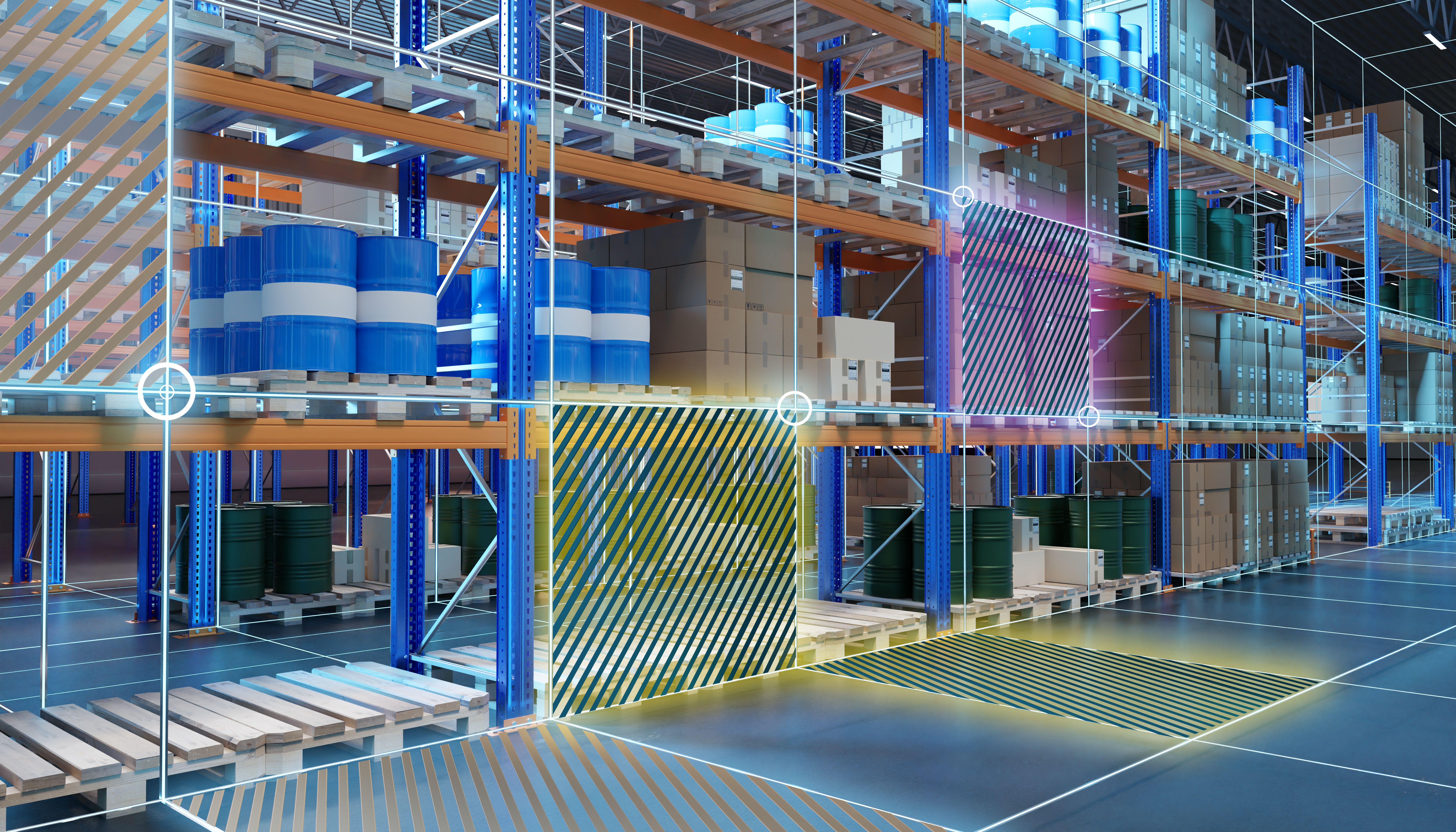
Although cross-docking can be applied across many sectors, certain industries benefit particularly from this logistics strategy.
Retail and E-Commerce
Retailers often require rapid inventory replenishment across multiple store locations. Cross-docking allows distribution centers to quickly redirect incoming goods to retail outlets without storing them.
E-commerce companies also rely on fast logistics to meet customer expectations for quick delivery.
Grocery and Perishable Goods
Perishable products such as fresh food require fast movement through the supply chain to maintain quality and safety.
Cross-docking reduces storage time and helps ensure that products reach stores while still fresh.
Manufacturing
Manufacturers use cross-docking to move components directly from suppliers to production facilities. This supports just-in-time manufacturing and reduces the need for large inventories.
Consumer Packaged Goods (CPG)
High-volume consumer products benefit from rapid distribution and shipment consolidation through cross-docking operations.
Challenges of Cross-Docking Implementation
While cross-docking offers numerous advantages, implementing it successfully requires overcoming several operational challenges.
Coordination Between Suppliers and Carriers
Cross-docking depends heavily on precise scheduling. Delays in inbound shipments can disrupt outbound deliveries and create operational bottlenecks.
Effective communication between suppliers, transportation providers, and warehouse operators is essential.
Technology Investment
Advanced technology systems are often necessary to manage cross-docking operations efficiently. Initial investments in automation, software, and tracking systems may be significant.
However, these investments often generate long-term cost savings.
Workforce Training
Employees must be trained to handle rapid product movement and follow precise sorting procedures.
Without proper training, cross-docking operations can experience errors that disrupt shipments.
The Impact of Cross-Docking on Warehousing in 2026
By 2026, cross-docking is expected to become an increasingly common strategy in the warehousing industry.
Rise of Faster Fulfillment Expectations
Consumers continue to demand faster delivery times. Cross-docking enables distribution centers to support same-day and next-day delivery networks.
Growth of E-Commerce Logistics
The expansion of online retail will continue to drive demand for high-speed logistics operations. Cross-docking helps warehouses process large order volumes quickly.
Greater Focus on Cost Efficiency
Rising real estate prices and labor costs are pushing logistics providers to adopt more efficient warehouse models. Cross-docking allows businesses to maximize throughput without expanding storage space.
Integration with Smart Warehouses
In 2026, smart warehouses equipped with automation, artificial intelligence, and real-time analytics will enhance cross-docking operations even further.
These technologies will improve decision-making, streamline shipment routing, and reduce operational delays.
Sustainability Improvements
Cross-docking can also support sustainability goals by reducing unnecessary transportation trips and minimizing warehouse energy consumption.
As environmental concerns grow, companies may adopt cross-docking to improve supply chain efficiency while lowering their carbon footprint.
The Future of High-Efficiency Warehousing

As supply chains continue to evolve, warehouses are transforming simple storage facilities into dynamic logistics hubs. Cross-docking represents a key step in this transformation by enabling faster product flow and reducing operational waste.
Companies that adopt cross-docking strategies can achieve:
- Lower storage costs
- Faster distribution
- Improved supply chain responsiveness
- Better transportation efficiency
By 2026, the warehouses that succeed will be those that combine smart technology, strategic planning, and flexible logistics models such as cross-docking.
Conclusion
Cross-docking is becoming a powerful strategy for warehouses seeking to reduce storage costs while improving throughput and delivery speed. By minimizing storage time and accelerating product movement, businesses can streamline operations, reduce expenses, and meet the growing demand for faster fulfillment.
As logistics networks continue to evolve in 2026, cross-docking will play an increasingly significant role in building efficient, technology-driven supply chains.
For businesses looking to enhance their distribution capabilities, AWT Warehouse Services provides modern warehousing solutions designed to support efficient logistics operations. With expertise in advanced warehouse management and scalable distribution strategies, AWT Warehouse Services helps companies optimize their supply chains while maintaining reliable and cost-effective fulfillment.