How to Improve Logistics Collaboration Across Your Supply Chain in 2026
AB
Companies are no longer operating in isolated systems where suppliers, manufacturers, warehouses, and transportation providers work independently. Instead, successful businesses now focus on creating integrated supply chain networks where information, inventory, technology, and communication flow smoothly between all partners.
As businesses move toward 2026, logistics collaboration will become even more essential due to rising customer expectations, e-commerce expansion, labor shortages, sustainability requirements, and increasing transportation costs. Companies that fail to improve collaboration across their supply chain may experience delays, inventory shortages, higher operational costs, and dissatisfied customers.
On the other hand, organizations that invest in better collaboration can achieve improved visibility, stronger forecasting, reduced waste, and faster delivery performance.
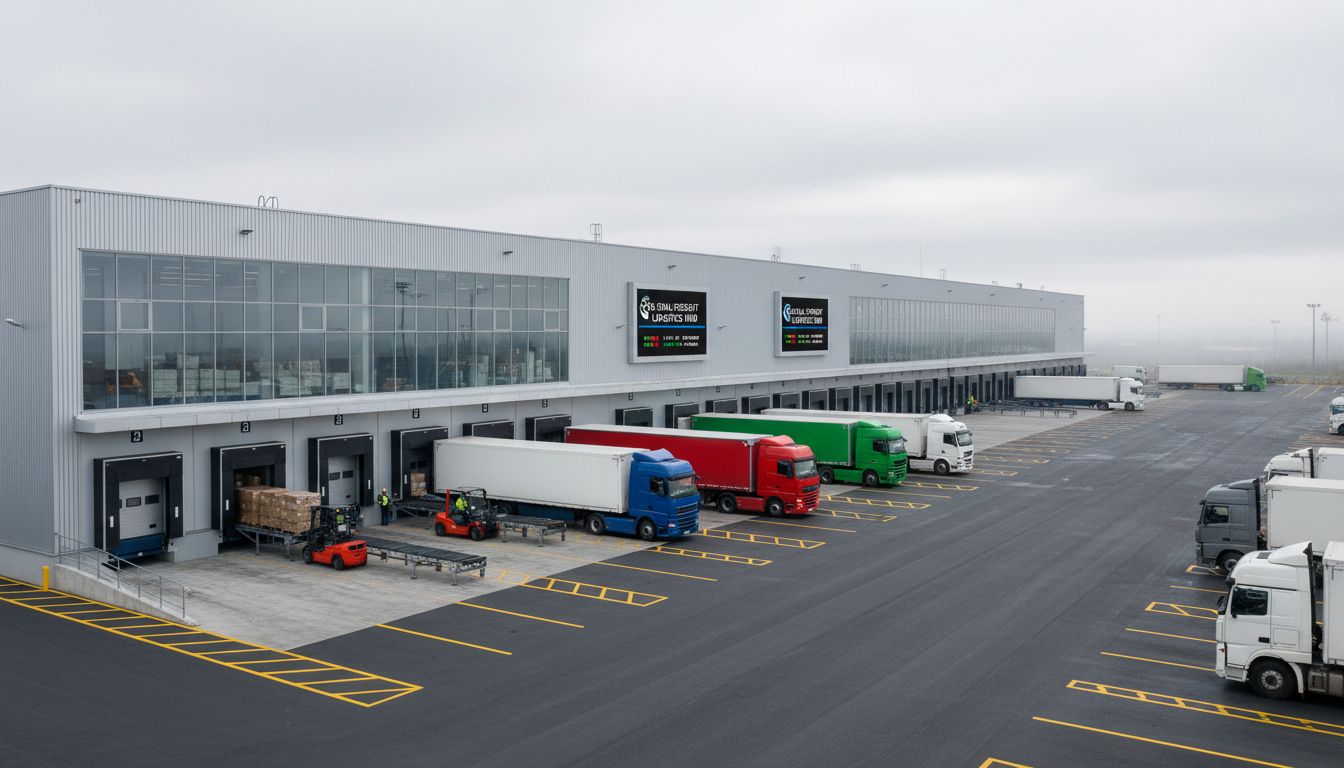
Warehousing businesses, in particular, will experience major changes as collaboration becomes more technology-driven and data-focused. Modern warehouses are no longer simple storage facilities. They are becoming strategic logistics hubs responsible for inventory coordination, fulfillment accuracy, real-time communication, and supply chain optimization.
This article explores practical ways businesses can improve logistics collaboration across their supply chain and examines the potential impact these changes may have on warehousing operations in 2026.
Understanding Logistics Collaboration
Logistics collaboration refers to the process of multiple supply chain partners working together to improve efficiency, reduce costs, and achieve shared goals. Collaboration can occur between:
- Suppliers and manufacturers
- Manufacturers and warehouses
- Warehouses and distributors
- Logistics providers and retailers
- Transportation carriers and fulfillment centers
- Internal departments within the same company
The primary goal is to create transparency and coordination throughout the supply chain so that every participant can make informed decisions in real time.
Strong collaboration allows businesses to:
- Improve inventory management
- Reduce shipping delays
- Optimize warehouse operations
- Minimize transportation costs
- Increase customer satisfaction
- Strengthen forecasting accuracy
- Reduce supply chain disruptions
As global supply chains become more complex, collaboration is shifting from being optional to becoming a necessity.
Improve Real-Time Communication
One of the biggest barriers to effective logistics collaboration is poor communication. Delays often occur because essential information is not shared quickly enough between supply chain partners.
Businesses can improve communication by implementing centralized digital communication platforms that allow real-time updates regarding:
- Shipment tracking
- Inventory levels
- Production schedules
- Delivery timelines
- Warehouse capacity
- Order changes
- Transportation disruptions
When suppliers, warehouses, carriers, and retailers all have access to the same information, they can respond faster to unexpected issues and avoid costly delays.
In 2026, real-time communication tools powered by artificial intelligence and cloud technology are expected to become standard in warehouse operations. These systems will automatically notify partners about potential disruptions, low inventory levels, and delivery of bottlenecks before problems become severe.
For warehousing businesses, improved communication means better dock scheduling, more accurate labor planning, and faster order fulfillment.
Invest in Shared Technology Platforms
Technology plays a critical role in supply chain collaboration. Businesses that rely on disconnected software systems often struggle with data inconsistencies, manual processes, and operational inefficiencies.
Shared technology platforms allow all supply chain participants to access synchronized information from a sole source. Common collaborative technologies include:
- Warehouse Management Systems (WMS)
- Transportation Management Systems (TMS)
- Enterprise Resource Planning (ERP) systems
- Cloud-based inventory platforms
- Electronic Data Interchange (EDI)
- Supply chain visibility software
- Artificial intelligence forecasting tools
When integrated correctly, these technologies improve transparency across the supply chain and help businesses make faster, data-driven decisions.
By 2026, warehouses are expected to rely heavily on automated digital ecosystems that connect suppliers, carriers, customers, and fulfillment teams. Smart warehouses will use integrated systems to automatically adjust inventory allocation, optimize picking routes, and coordinate transportation schedules.
Warehousing businesses that adopt collaborative technologies early may gain a competitive advantage through increased efficiency and stronger client relationships.
Build Stronger Supplier Relationships
Successful logistics collaboration depends heavily on trust between supply chain partners. Companies that maintain transactional relationships with suppliers often face communication breakdowns and inconsistent service levels.
Building stronger supplier relationships involves:
- Maintaining open communication
- Sharing demand forecasts
- Establishing long-term agreements
- Conducting regular performance reviews
- Collaborating on process improvements
- Creating mutual performance goals
When suppliers are treated as strategic partners rather than simple vendors, they are more likely to prioritize reliability and responsiveness.
In warehousing operations, stronger supplier relationships can improve inbound inventory management and reduce receiving delays. Suppliers that share accurate shipment information help warehouses plan staffing and storage allocation more effectively.
As supply chains become increasingly global in 2026, supplier collaboration will become critical for managing risks related to geopolitical instability, labor shortages, and transportation disruptions.
Increase Supply Chain Visibility
Visibility is one of the most important components of logistics collaboration. Without accurate visibility, businesses cannot monitor inventory movement, shipment progress, or operational performance.
Supply chain visibility involves tracking products, inventory, and shipments across the entire logistics network.
Modern visibility solutions provide real-time information about:
Inventory locations
- Shipment status
- Warehouse capacity
- Delivery estimates
- Transportation conditions
- Order fulfillment progress
Improved visibility helps businesses identify bottlenecks early and respond proactively.
For warehouses, enhanced visibility can improve inventory accuracy and reduce stockouts. Warehouse managers can use predictive analytics to forecast storage and labor needs more efficiently.
In 2026, advanced visibility technologies such as IoT sensors, AI-powered dashboards, and digital twins are expected to transform warehouse management. These tools will provide real-time operational insights that improve collaboration between warehouses and transportation providers.
Standardize Processes Across Partners
Supply chain inefficiencies often occur when different partners follow inconsistent procedures. Standardizing operational processes can improve coordination and reduce confusion.
Businesses should work with logistics partners to establish standardized procedures for:
- Inventory reporting
- Shipping documentation
- Order processing
- Packaging requirements
- Labeling systems
- Returns management
- Data sharing protocols
Standardization helps reduce errors and improves operational consistency across the supply chain.
Warehouses benefit from process standardization because they simplify receiving, storage, and shipping activities. Employees can process shipments faster when suppliers follow consistent labeling and packaging guidelines.
By 2026, standardization may become even more important as automation technologies continue expanding within warehouse environments. Robotic systems and AI-driven equipment operate more efficiently when processes are consistent and predictable.
Encourage Collaborative Forecasting
Forecasting errors can create serious supply chain problems, including excess inventory, stock shortages, and shipping delays.
Collaborative forecasting allows businesses to share sales data, demand projections, and market insights with supply chain partners. This shared approach improves forecasting accuracy and helps all parties prepare for demand fluctuations.
Collaborative forecasting can help warehouses:
- Optimize storage utilization
- Reduce inventory carrying costs
- Improve labor scheduling
- Prevent overstock situations
- Increase fulfillment speed
As e-commerce growth continues into 2026, warehouses will face increasing pressure to handle fluctuating order volumes. Collaborative forecasting will become essential for managing peak seasons and sudden demand spikes.
AI-powered demand forecasting tools are expected to become more widely adopted in warehouse operations, allowing businesses to predict inventory requirements with greater precision.
Focus on Data Sharing and Transparency
Many supply chain problems occur because organizations hesitate to share operational data with partners. However, transparency is essential for effective collaboration.
Businesses should establish secure systems for sharing:
- Inventory data
- Sales forecasts
- Shipment updates
- Capacity limitations
- Delivery schedules
- Performance metrics
Transparent data sharing allows supply chain partners to coordinate more effectively and avoid misunderstandings.
Warehouses that receive accurate operational data from customers and suppliers can improve inventory placement, reduce congestion, and optimize picking efficiency.
In 2026, data-driven collaboration will become one of the most important competitive advantages in logistics. Companies that can securely analyze and share real-time operational data may significantly outperform less connected competitors.
Develop Flexible Transportation Strategies
Transportation disruptions continue to impact supply chains across many industries. Businesses can improve logistics collaboration by developing flexible transportation strategies with carriers and warehouse partners.
Strategies may include:
- Using multiple carriers
- Establishing backup transportation providers
- Sharing transportation capacity
- Coordinating route optimization
- Leveraging regional distribution centers
- Improving delivery scheduling
Collaboration between warehouses and transportation providers is especially important for improving delivery speed and reducing shipping costs.
In 2026, transportation collaboration may become increasingly dependent on AI route optimization, autonomous delivery technologies, and sustainability initiatives.
Warehouses may evolve into micro-fulfillment hubs located closer to customers to support faster last-mile delivery operations.
Strengthen Risk Management Planning
Supply chain disruptions caused by natural disasters, labor shortages, cyberattacks, geopolitical conflicts, and economic instability have become increasingly common.
Collaborative risk management helps businesses prepare for disruptions more effectively.
Supply chain partners should work together to develop contingency plans for:
- Transportation interruptions
- Inventory shortages
- Technology failures
- Labor disruptions
- Supplier delays
- Cybersecurity threats
Warehouses play a significant role in supply chain resilience because they often serve as buffer points during disruptions.
In 2026, warehouses may invest more heavily in predictive risk management technologies that use AI to identify potential disruptions before they occur.
Businesses that collaborate closely during crisis situations can recover faster and maintain stronger customer satisfaction levels.
Prioritize Sustainability Collaboration
Sustainability is becoming a major priority across global supply chains. Customers, investors, and regulators increasingly expect businesses to reduce environmental impact.
Collaborative sustainability initiatives may include:
- Optimizing transportation routes
- Reducing packaging waste
- Improving energy efficiency
- Using eco-friendly warehouse equipment
- Sharing distribution networks
- Reducing empty truck miles
Warehouses will play a key role in sustainability efforts by adopting:
- Energy-efficient lighting systems
- Electric forklifts
- Solar energy solutions
- Smart climate control systems
- Sustainable packaging practices
By 2026, sustainability performance may become a key factor when companies select logistics and warehousing partners.
Warehousing businesses that prioritize environmentally responsible operations could attract more long-term clients and strengthen their market reputation.
Invest in Workforce Collaboration
Human collaboration remains essential even as automation expands throughout supply chains.
Businesses should focus on improving collaboration between warehouse employees, drivers, managers, suppliers, and logistics partners.
Effective workforce collaboration can be supported through:
- Cross-functional training
- Shared communication tools
- Performance incentives
- Safety programs
- Collaborative planning meetings
Warehouses in 2026 may experience major workforce changes due to labor shortages and increased automation adoption.
Collaborative workplace cultures can help warehouses improve employee retention, reduce operational errors, and increase productivity.
Businesses that combine skilled employees with advanced automation technologies may achieve the best long-term operational performance.
The Impact on Warehousing Businesses in 2026
The warehousing industry is expected to experience significant transformation by 2026 as logistics collaboration becomes more advanced and technology driven.
Several major trends are likely to shape the future of warehousing operations.
Increased Automation
Warehouses will continue adopting robotics, automated storage systems, AI-driven inventory management, and autonomous equipment.
Collaborative systems will allow automated warehouses to coordinate more effectively with suppliers and transportation providers.
Greater Demand for Real-Time Visibility
Customers increasingly expect fast and transparent delivery experiences.
Warehouses will need to provide real-time inventory tracking, shipment updates, and fulfillment visibility to remain competitive.
Growth of Micro-Fulfillment Centers
Businesses may establish smaller warehouse facilities closer to urban areas in order to support same-day and next-day delivery expectations.
This trend could reshape traditional warehouse distribution models.
Expanded Use of Artificial Intelligence
AI technologies will become essential for forecasting, labor planning, inventory optimization, and transportation coordination.
Warehouses that leverage AI collaboration tools may improve efficiency while reducing operational costs.
Higher Customer Expectations
Clients will expect warehousing providers to offer:
- Faster fulfillment
- Better communication
- Enhanced inventory accuracy
- Greater transparency
- Flexible storage solutions
- Sustainable operations
Warehousing companies that fail to modernize collaborative processes may struggle to remain competitive.
Stronger Focus on Sustainability
Environmental responsibility will become a major factor in warehouse operations.
Warehouses may face increasing pressure to reduce emissions, improve energy efficiency, and support greener transportation initiatives.
Increased Importance of Cybersecurity
As warehouses become more digitally connected, cybersecurity risks will increase.
Collaborative supply chain systems must prioritize data protection and operational security to prevent disruptions.
Conclusion
Improving logistics collaboration across the supply chain is no longer simply a strategy for operational improvement. It is becoming a critical requirement for long-term business success. Companies that prioritize communication, transparency, technology integration, forecasting, and collaborative planning can build more resilient and efficient supply chains.
As 2026 approaches, warehousing businesses will continue evolving into highly connected logistics centers that support real-time decision-making, automation, and advanced customer expectations. Businesses that invest in collaborative supply chain practices today may position themselves for stronger growth, improved efficiency, and greater competitive advantage in the future.
For companies seeking dependable warehousing support and operational efficiency, AWT Warehouse Services provides reliable solutions designed to help businesses improve inventory management, streamline logistics operations, and strengthen supply chain performance in an increasingly demanding marketplace.