
How to Save on Shipping and Freight Costs in Your Warehouse: Strategies for Business Success in 2026
AB
Shipping and freight costs have always been among the largest operating expenses for warehouses, distributors, manufacturers, and e-commerce businesses. As supply chains continue to evolve in 2026, companies face new challenges, including rising transportation costs, changing customer expectations, labor shortages, stricter environmental regulations, and increased demand for faster deliveries. These factors make cost-efficient warehouse operations more important than ever.
Warehousing is no longer about storing inventory. Modern warehouses play a significant role in inventory management, transportation planning, order fulfillment, and customer satisfaction. Businesses that optimize their warehouse operations can significantly reduce freight expenses while improving service quality and profitability.
Whether your business ships locally, nationally, or internationally, implementing the right warehouse strategies can lead to substantial long-term savings. Understanding where shipping costs originate and how warehouse efficiency influences freight expenses is the first step toward building a stronger, more competitive operation.
Understanding Shipping and Freight Costs

Shipping expenses involve far more than simply paying a carrier to transport products. Total freight costs often include:
- Transportation charges
- Fuel surcharges
- Packaging materials
- Labor costs
- Warehousing expenses
- Inventory holding costs
- Customs and duties (for international shipments)
- Accessorial fees such as residential delivery, liftgate services, or expedited shipping
Many businesses focus only on negotiating lower carrier rates while overlooking operational inefficiencies inside the warehouse that increase overall shipping expenses.
Improving warehouse efficiency often produces greater long-term savings than negotiating transportation rates alone.
Why Warehouse Operations Directly Affect Shipping Costs
Every activity inside the warehouse impacts freight expenses.
Poor inventory organizations may delay order processing.
Incorrect packaging increases dimensional weight.
Slow picking processes create expensive overtime.
Inventory inaccuracies lead to emergency shipments.
Excess storage results in unnecessary inventory carrying costs.
Conversely, efficient warehouse operations improve shipping speed, reduce errors, minimize handling costs, and maximize transportation efficiency.
1. Optimize Warehouse Layout
A well-designed warehouse reduces unnecessary movement throughout the facility.
Frequently shipped products should be stored near packing stations and loading docks. Fast-moving inventory should be easily accessible, while slower-moving products can occupy more distant storage locations.
Benefits include:
- Faster order picking
- Lower labor costs
- Reduced congestion
- Quicker truck loading
- Improved shipping turnaround
Warehouse layout optimization becomes even more valuable as order volumes increase.
2. Improve Inventory Accuracy
Inventory inaccuracies create expensive shipping problems.
Examples include:
- Shipping the wrong product
- Emergency replenishment orders
- Split shipments
- Delayed deliveries
- Customer returns
Implementing regular cycle counts and maintaining accurate inventory records reduces unnecessary freight expenses while improving customer satisfaction.
3. Use Warehouse Management Systems (WMS)
Warehouse Management Systems continue to evolve rapidly in 2026.
Modern WMS platforms provide:
- Real-time inventory visibility
- Automated picking routes
- Barcode scanning
- Order prioritization
- Shipping integration
- Carrier management
- Inventory forecasting
Automation minimizes human error while improving shipping speed and warehouse productivity.
4. Reduce Packaging Costs
Oversized packaging increases dimensional weight charges.
Many shipping carriers now calculate shipping rates using package dimensions rather than actual weight.
Using appropriately sized boxes offers several advantages:
- Lower shipping costs
- Reduced material expenses
- Better pallet utilization
- More efficient truck loading
- Less product damage
Custom packaging solutions often produce significant savings over time.
5. Consolidate Shipments Whenever Possible
Instead of shipping multiple small orders individually, businesses should consolidate shipments whenever schedules permit.
Shipment consolidation can:
- Reduce transportation costs
- Lower handling expenses
- Improve truck utilization
- Decrease fuel consumption
- Minimize carrier fees
Customers also appreciate receiving fewer deliveries.
6. Negotiate Carrier Contracts Regularly
Carrier pricing changes frequently.
Warehouses should regularly evaluate:
- Fuel surcharge policies
- Volume discounts
- Guaranteed service options
- Regional carrier alternatives
- Seasonal pricing adjustments
Maintaining relationships with multiple carriers creates flexibility and encourages competitive pricing.
7. Leverage Regional Distribution
Strategically located warehouses reduce transportation distances.
Regional distribution centers allow businesses to:
- Deliver faster
- Reduce shipping zones
- Lower freight costs
- Improve customer satisfaction
- Minimize expedited shipments
As customer expectations continue rising in 2026, regional fulfillment becomes increasingly important.
8. Forecast Demand More Accurately
Demand forecasting helps warehouses maintain appropriate inventory levels.
Benefits include:
- Reduced stockouts
- Lower emergency freight
- Better purchasing decisions
- Lower storage costs
- Improved warehouse planning
Modern forecasting tools increasingly incorporate artificial intelligence and predictive analytics.
9. Minimize Product Returns
Returns generate significant hidden shipping expenses.
Reducing returns requires:
- Accurate product descriptions
- Better quality control
- Secure packaging
- Correct order fulfillment
- Thorough inspection before shipping
Every avoided return eliminates extra transportation, labor, and handling costs.
10. Improve Loading Efficiency
Truck loading efficiency directly impacts freight expenses.
Proper loading practices include:
- Maximizing trailer utilization
- Reducing empty space
- Proper pallet stacking
- Weight balancing
- Efficient dock scheduling
Well-planned loading minimizes transportation costs while improving carrier relationships.
11. Implement Cross-Docking When Appropriate
Cross-docking reduces warehouse storage requirements by transferring products directly from inbound shipments to outbound transportation.
Advantages include:
- Reduced storage costs
- Faster order fulfillment
- Lower inventory carrying costs
- Reduced handling
- Faster customer delivery
Cross-docking is particularly effective for high-volume products with predictable demand.
12. Invest in Employee Training
Warehouse employees significantly influence shipping efficiency.
Training should focus on:
- Proper picking methods
- Inventory accuracy
- Safe product handling
- Efficient packing
- Equipment operation
- Shipping procedures
Experienced employees reduce costly mistakes while increasing productivity.
13. Automate Repetitive Warehouse Processes
Automation continues to transform warehouse operations.
Examples include:
- Conveyor systems
- Automated sorting
- Robotic picking
- Autonomous mobile robots
- Automated labeling
- Smart packaging systems
Although automation requires upfront investment, it often produces long-term labor and shipping savings.
14. Monitor Freight Performance Metrics
Successful warehouses continuously measure performance.
Important metrics include:
- Cost per shipment
- Cost per order
- Order accuracy
- On-time delivery rate
- Picking productivity
- Inventory accuracy
- Average shipping cost
- Transportation utilization
Monitoring these indicators helps identify opportunities for ongoing improvement.
15. Build Strong Relationships with Logistics Partners
Freight savings often come from collaboration rather than simply seeking the lowest rates.
Reliable logistics partners provide:
- Flexible transportation options
- Capacity during peak seasons
- Improved communication
- Better shipment visibility
- Operational recommendations
Long-term partnerships often result in better service and lower overall costs.
The Growing Impact on Warehousing Businesses in 2026
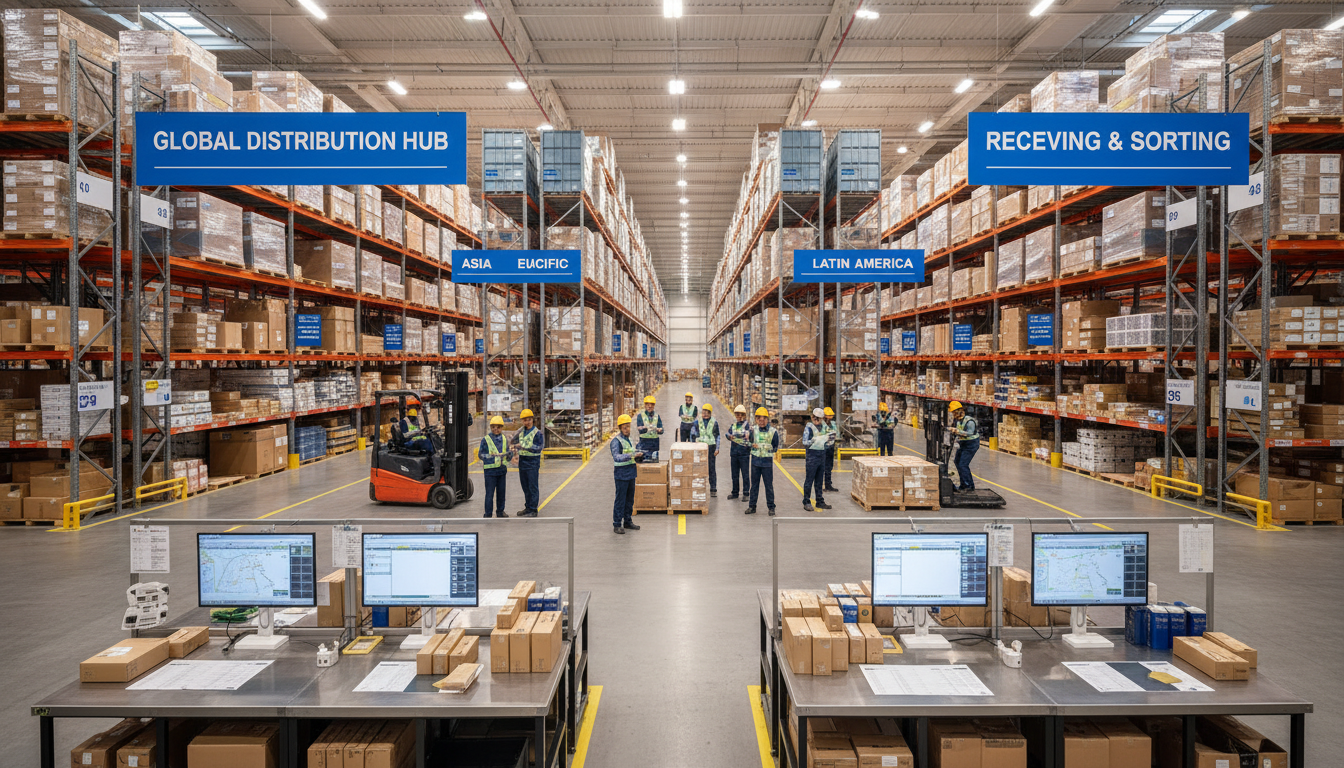
The warehouse industry continues experiencing rapid transformation.
Several emerging trends will significantly influence shipping and freight costs throughout 2026.
Artificial Intelligence Will Improve Cost Optimization
AI-powered systems increasingly analyze shipping patterns, inventory levels, labor productivity, and transportation routes.
Businesses can automatically identify opportunities to reduce costs while improving customer service.
Sustainability Will Become a Competitive Advantage
Many customers now prefer environmentally responsible businesses.
Warehouses reducing packaging waste, improving transportation efficiency, and lowering carbon emissions may gain competitive advantages while also reducing operating expenses.
Labor Challenges Will Encourage Automation
Labor shortages remain a concern across the logistics industry.
Automation technologies help warehouses maintain productivity despite workforce challenges while reducing long-term operational costs.
Faster Delivery Expectations Continue Rising
Consumers increasingly expect same-day or next-day delivery.
Meeting these expectations requires optimized warehouse operations, regional fulfillment centers, and efficient inventory management.
Businesses unable to improve shipping efficiency may struggle to compete.
Data-Driven Decision Making
Warehouse managers now have access to more operational data than ever before.
Advanced analytics support better decisions involving:
- Inventory placement
- Freight planning
- Labor scheduling
- Carrier selection
- Packaging optimization
Organizations leveraging data effectively will outperform competitors.
Greater Supply Chain Flexibility
Global supply chains remain vulnerable to disruptions.
Warehouses capable of quickly adjusting inventory levels, transportation methods, and fulfillment strategies will better manage unexpected events while controlling freight expenses.
Customer Experience Will Drive Warehouse Investment
Customers increasingly evaluate businesses based on delivery speed, shipping accuracy, package condition, and communication.
Warehouse improvements directly contribute to higher customer satisfaction, repeat business, and long-term profitability.
Best Practices for Long-Term Freight Savings
Reducing shipping costs requires continuous improvement rather than one-time changes.
Businesses should regularly:
- Review warehouse workflows
- Evaluate carrier performance
- Audit shipping expenses
- Upgrade technology
- Train employees
- Improve inventory visibility
- Optimize packaging
- Monitor key performance indicators
- Strengthen supplier relationships
- Plan for seasonal demand
Consistent attention to these areas creates sustainable cost reductions while improving operational efficiency.
Conclusion
As warehousing continues to evolve in 2026, controlling shipping and freight costs will become an increasingly important competitive advantage. Companies that optimize warehouse layouts, embrace automation, improve inventory accuracy, strengthen logistics partnerships, and use data-driven decision-making can significantly reduce expenses while delivering faster, more reliable service.
Businesses looking to improve warehouse efficiency do not have to navigate these challenges alone. AWT Warehouse Services provides dependable warehousing, inventory management, distribution, and logistics support designed to help businesses streamline operations, reduce shipping costs, and position themselves for long-term growth in an increasingly competitive marketplace.