
Optimizing Warehouse Layouts for Faster Fulfillment and Reduced Congestion
AB
As customer expectations continue to rise, warehouse operations are under increasing pressure to deliver products faster, more accurately, and at lower costs. The rapid growth of e-commerce, omnichannel distribution, and same-day delivery services has made warehouse efficiency a critical factor in business success. One of the most effective ways to improve operational performance is through warehouse layout optimization.
A well-designed warehouse layout can significantly reduce travel time, improve inventory accessibility, increase productivity, and minimize congestion. By strategically organizing storage areas, picking zones, and workflow paths, warehouse operators can create a more efficient environment that supports faster fulfillment and greater customer satisfaction.
Understanding Warehouse Layout Optimization
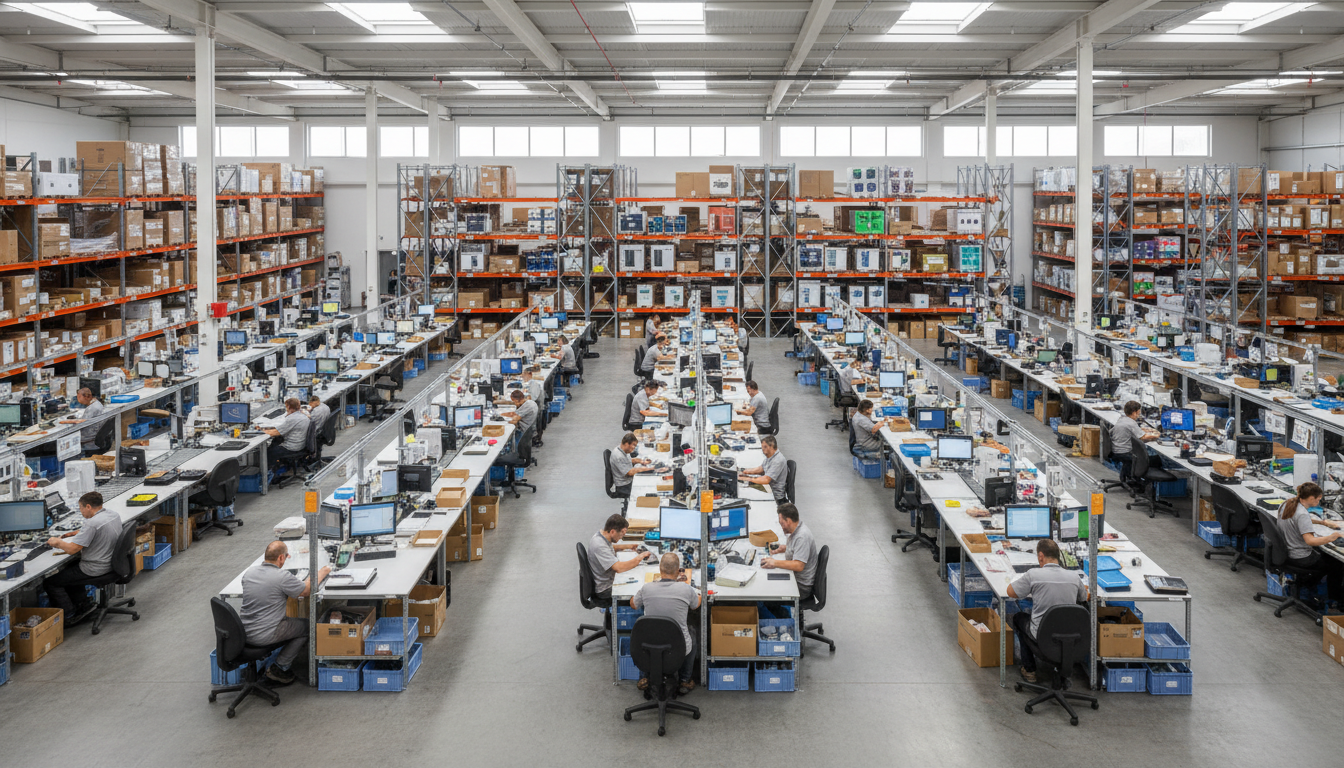
Warehouse layout optimization involves arranging storage systems, equipment, workstations, and traffic routes to maximize efficiency and space utilization.
The goal is to create a logical flow of goods from receiving storage, picking, packing, and shipping while minimizing unnecessary movement and delays.
An optimized warehouse layout considers factors such as:
- Inventory turnover rates
- Product dimensions and weight
- Order frequency
- Employee workflows
- Material handling equipment requirements
- Safety regulations
- Future growth projections
When these factors are carefully evaluated, warehouses can improve both operational speed and accuracy.
Why Warehouse Layout Matters
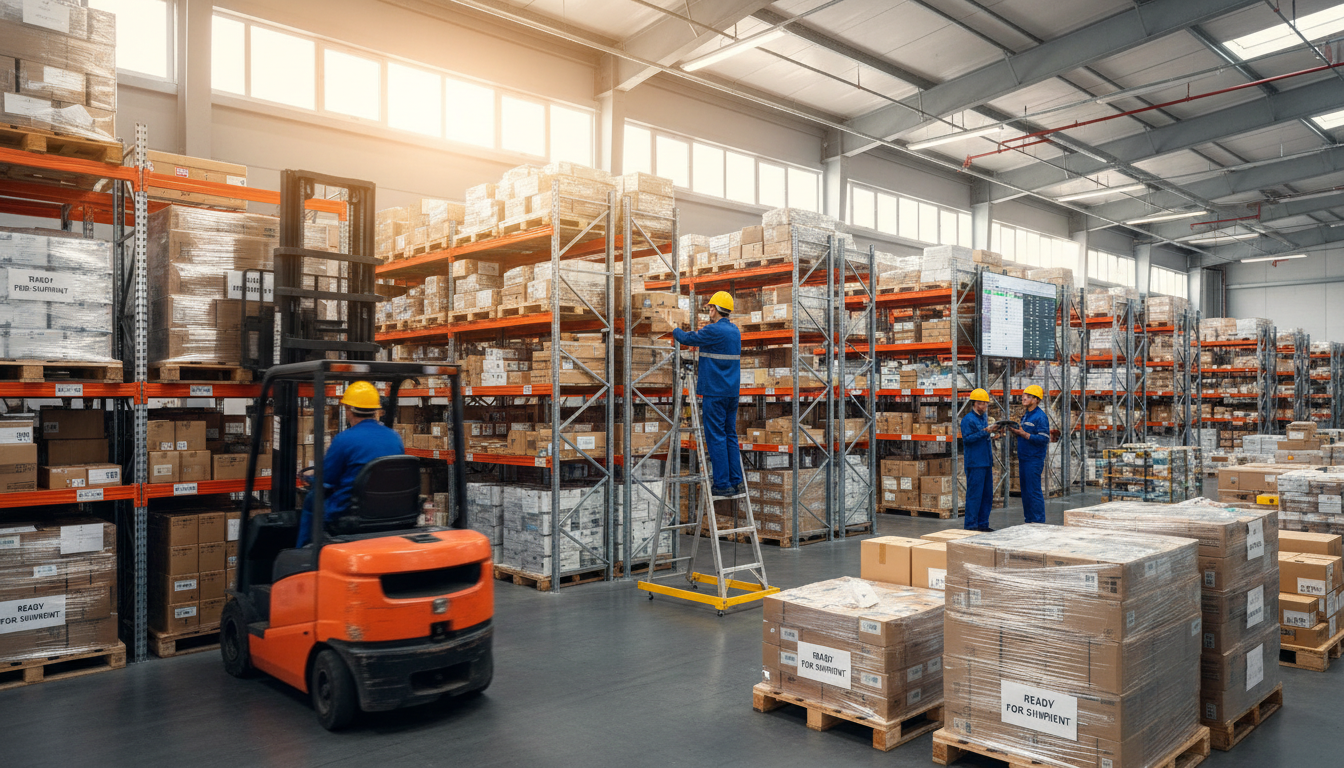
The physical layout of a warehouse directly affects daily operations. Poorly organized facilities often experience:
- Excessive employee travel time
- Congested aisles
- Inventory retrieval delays
- Increased labor costs
- Higher error rates
- Safety risks
- Reduced throughput capacity
Conversely, an optimized layout enables employees to locate and move products more efficiently, helping organizations process more orders in less time.
Key Strategies for Faster Fulfillment
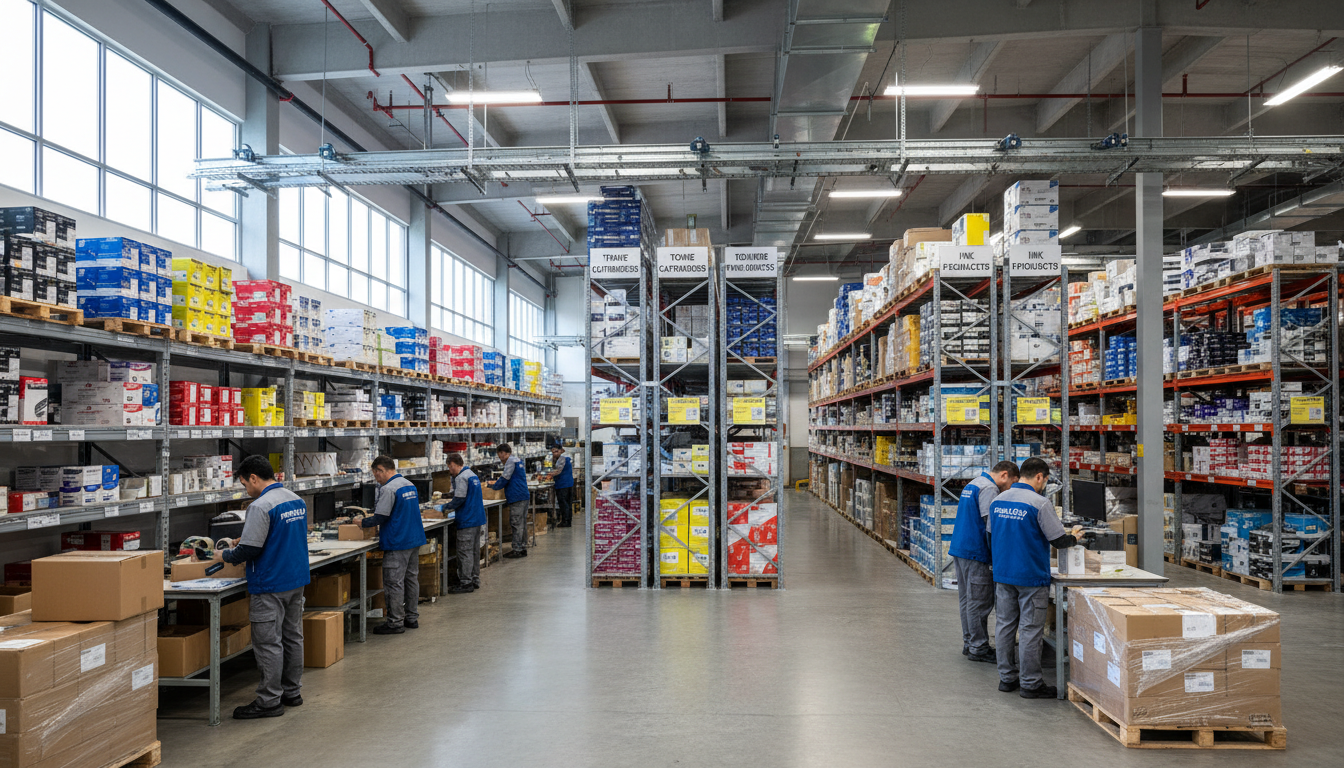
1. Analyze Product Movement Patterns
Not all inventory moves at the same rate. Fast-moving products should be stored closer to packing and shipping stations to reduce travel distances.
Using inventory data to classify products based on demand helps warehouses position high-volume items in the most accessible locations. This strategy can significantly decrease picking times and improve order processing speed.
2. Implement Slotting Optimization
Slotting refers to assigning specific storage locations to products based on their characteristics and demand patterns.
- Effective slotting takes into account:
- Product popularity
- Size and weight
- Seasonal demand
- Order frequency
- Product compatibility
Regular slotting reviews ensure inventory placement remains aligned with changing customer demand.
3. Create Dedicated Picking Zones
Dividing the warehouse into designated picking zones can reduce employee travel and increase productivity.
Zone picking allows workers to specialize within a specific area, becoming familiar with inventory locations, and improving picking accuracy. Orders are then consolidated before packing and shipping.
This method is particularly beneficial for large warehouses handling high order volumes.
4. Design Efficient Traffic Flow
Warehouse traffic congestion often occurs when employees, forklifts, and equipment compete for the same space.
Efficient traffic management includes:
- Clearly marked pathways
- One-way travel routes
- Separate pedestrian and equipment lanes
- Designated staging areas
- Strategic placement of workstations
Improved traffic flow reduces delays and enhances workplace safety.
5. Optimize Receiving and Shipping Areas
Receiving and shipping docks serve as critical entry and exit points for inventory.
Poor dock organization can create bottlenecks that impact the entire warehouse operation. Allocating enough space for inbound and outbound activities helps maintain a smooth flow of goods.
Dock scheduling systems can further reduce congestion and improve operational efficiency.
Reducing Congestion Through Smart Layout Design
Congestion is one of the most common causes of warehouse inefficiency. It slows down workflows, increases labor costs, and can contribute to workplace accidents.
Several design strategies can help minimize congestion.
Wider Aisles in High-Traffic Areas
Although maximizing storage density is important, overly narrow aisles can create bottlenecks. High-traffic areas should be designed with adequate space for equipment and personnel movement.
Strategic Cross-Aisles
Cross-aisles provide alternate routes that allow employees and equipment to move between sections without traveling long distances.
This design feature reduces travel time and prevents traffic buildups.
Organized Staging Areas
Temporary staging areas for inbound and outbound inventory should be defined and managed.
Without proper staging zones, products can accumulate in aisles and obstruct movement throughout the facility.
Real-Time Warehouse Visibility
Warehouse Management Systems (WMS) provide real-time visibility into inventory locations, equipment utilization, and employee activity.
This visibility enables managers to identify congestion points and make proactive adjustments before bottlenecks develop.
Leveraging Technology for Layout Optimization
Modern warehouses increasingly rely on technology to support layout planning and operational efficiency.
Warehouse Management Systems
Advanced WMS platforms provide valuable data on inventory movement, order trends, and workflow performance. These insights help managers make informed layout decisions.
Digital Twin Technology
Digital twins create virtual models of warehouse operations. Managers can simulate different layout configurations and evaluate their impact before making physical changes.
This technology reduces risk and improves planning accuracy.
Automation and Robotics
Automated storage and retrieval systems (AS/RS), autonomous mobile robots (AMRs), and conveyor systems are transforming warehouse design.
These technologies require layouts specifically designed to maximize automation efficiency while maintaining flexibility for future expansion.
Artificial Intelligence
AI-driven analytics can continuously monitor warehouse performance and recommend layout adjustments based on changing inventory patterns and demand fluctuations.
As AI capabilities advance, warehouse layouts will become increasingly adaptive and data driven.
Employee Benefits of an Optimized Warehouse
Warehouse optimization does not only improve operational metrics. Employees also benefit from better-designed work environments.
Advantages include:
- Reduced physical strain
- Less walking distance
- Improved safety
- Greater productivity
- Higher job satisfaction
Reduced workplace stress
When employees can perform tasks efficiently, overall morale and retention often improve.
The Impact on Warehousing Businesses in 2026
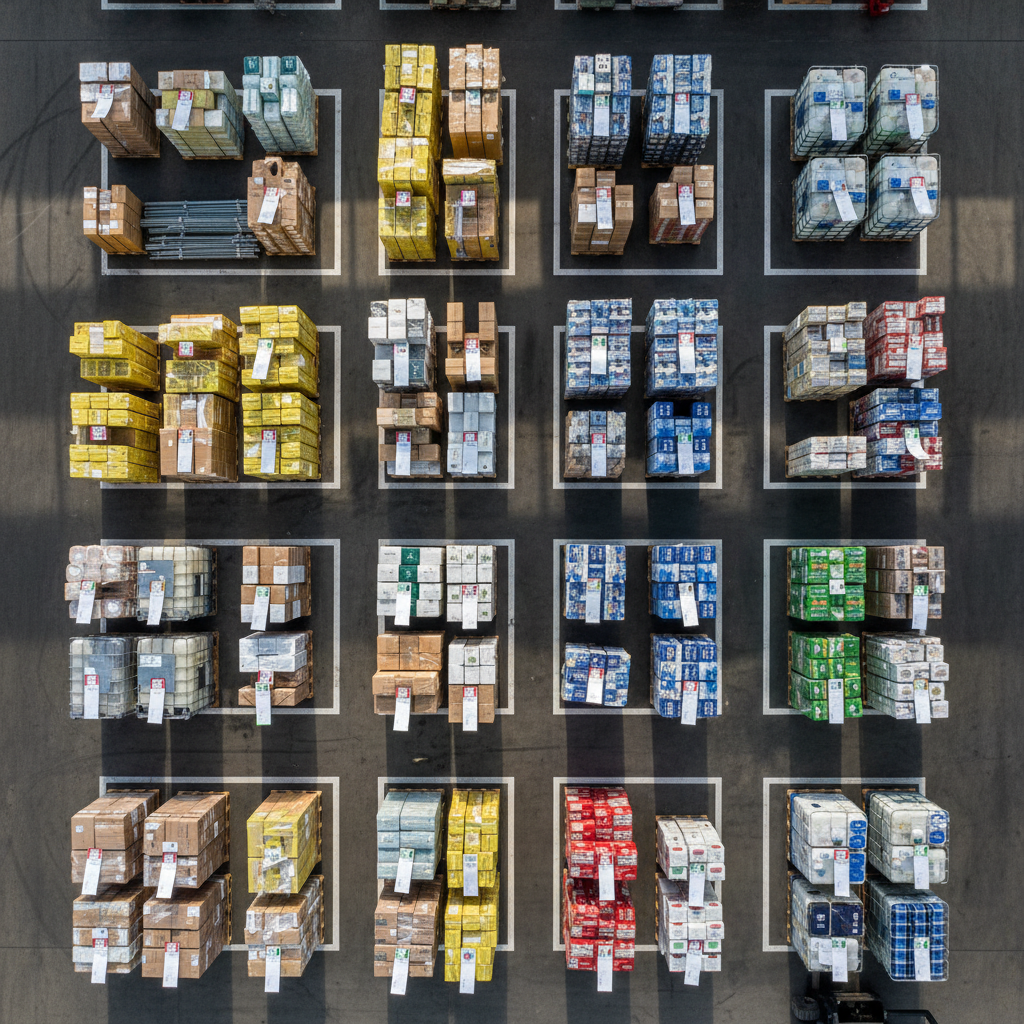
Warehouse layout optimization is expected to play an even greater role in 2026 as supply chains become more complex and customer expectations continue to evolve.
Increased Demand for Faster Delivery
Consumers increasingly expect same-day and next-day delivery options. Warehouses that optimize layouts for rapid order fulfillment will gain a significant competitive advantage.
Greater Adoption of Automation
The ongoing labor shortage and rising wage pressures will encourage more companies to invest in warehouse automation. Layouts will need to accommodate robotic systems, automated picking technologies, and intelligent material handling equipment.
Higher Space Utilization Requirements
Industrial real estate costs continue to rise in many markets. Businesses will focus on maximizing every square foot of warehouse space through smarter layout planning and vertical storage solutions.
Data-Driven Facility Design
Warehouse decisions in 2026 will increasingly rely on analytics rather than assumptions. Real-time operational data will guide continuous improvements in facility design and workflow optimization.
Enhanced Sustainability Goals
Organizations are seeking ways to reduce energy consumption and carbon emissions. Efficient layouts reduce unnecessary equipment movement, lower energy usage, and support sustainability initiatives.
Improved Customer Satisfaction
Faster fulfillment, fewer errors, and reliable delivery performance directly contribute to better customer experiences. Warehouse optimization will become a strategic investment rather than merely an operational improvement.
Best Practices for Continuous Improvement
Warehouse layout optimization should not be viewed as a one-time project.
Businesses should:
- Conduct regular workflow audits
- Review inventory movement trends
- Monitor key performance indicators
- Gather employee feedback
- Update slotting strategies regularly
- Evaluate emerging technologies
- Plan for future growth requirements
Continuous improvement ensures warehouses remain efficient as customer demands and business needs evolve.
Conclusion
Optimizing warehouse layouts is one of the most effective ways to improve fulfillment speed, reduce congestion, and enhance overall operational performance. As the warehousing industry moves into 2026, businesses that invest in smarter facility design, advanced technology, and data-driven workflows will be better positioned to meet rising customer expectations and maintain a competitive edge.
Whether managing a distribution center, fulfillment operation, or logistics hub, an efficient warehouse layout can deliver substantial benefits in productivity, accuracy, and profitability.
For companies seeking dependable warehousing solutions that support operational excellence, AWT Warehouse Services offers the expertise, infrastructure, and flexible solutions needed to help businesses streamline fulfillment processes, maximize efficiency, and prepare for future growth.