
Reducing Stockouts and Overstocks with Better Warehouse Management
AB
Inventory is one of the most valuable assets a business owns. Whether a company sells consumer products, industrial equipment, food, or retail merchandise, maintaining the right inventory levels is critical to profitability and customer satisfaction. Unfortunately, many businesses struggle with two costly inventory problems: stockouts and overstock.
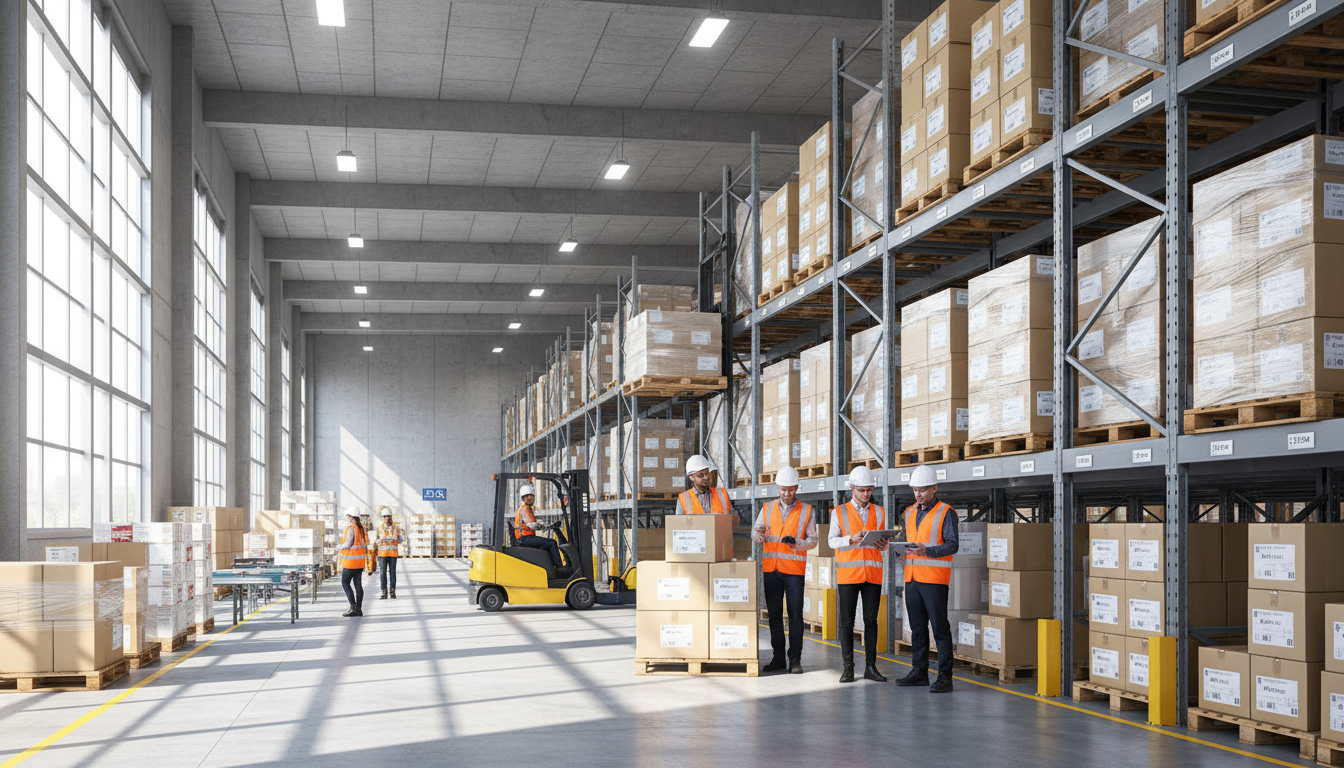
A stockout occurs when a business runs out of inventory before customer demand is fulfilled, leading to delayed shipments, lost sales, and dissatisfied customers. On the other hand, overstock happens when businesses purchase or store more inventory than needed, tying up cash, increasing storage costs, and creating the risk of obsolete or damaged products.

Both situations reduce operational efficiency and negatively affect the bottom line. The good news is that modern warehouse management practices and technology make it possible to significantly reduce these problems. As warehouses continue to evolve in 2026, companies that invest in smarter inventory management will be better prepared to meet customer expectations while maintaining healthy profit margins.
Understanding the Cost of Stockouts
Stockouts affect far more than just one missed sale. When customers cannot receive the products they need, they often purchase from competitors instead. This can result in long-term customer loss, negative reviews, and damage to a company's reputation.
From an operational perspective, stockouts create disruptions throughout the supply chain. Customer service teams spend more time responding to complaints, purchasing departments to rush emergency orders, and warehouse employees constantly adjust priorities to fulfill backorders.
The financial impact can be substantial. Companies may pay expedited shipping fees, experience production delays, or lose valuable contracts due to unreliable inventory availability. In industries where customer loyalty is highly competitive, even a few stockouts can significantly affect future sales.
The Hidden Costs of Overstocking
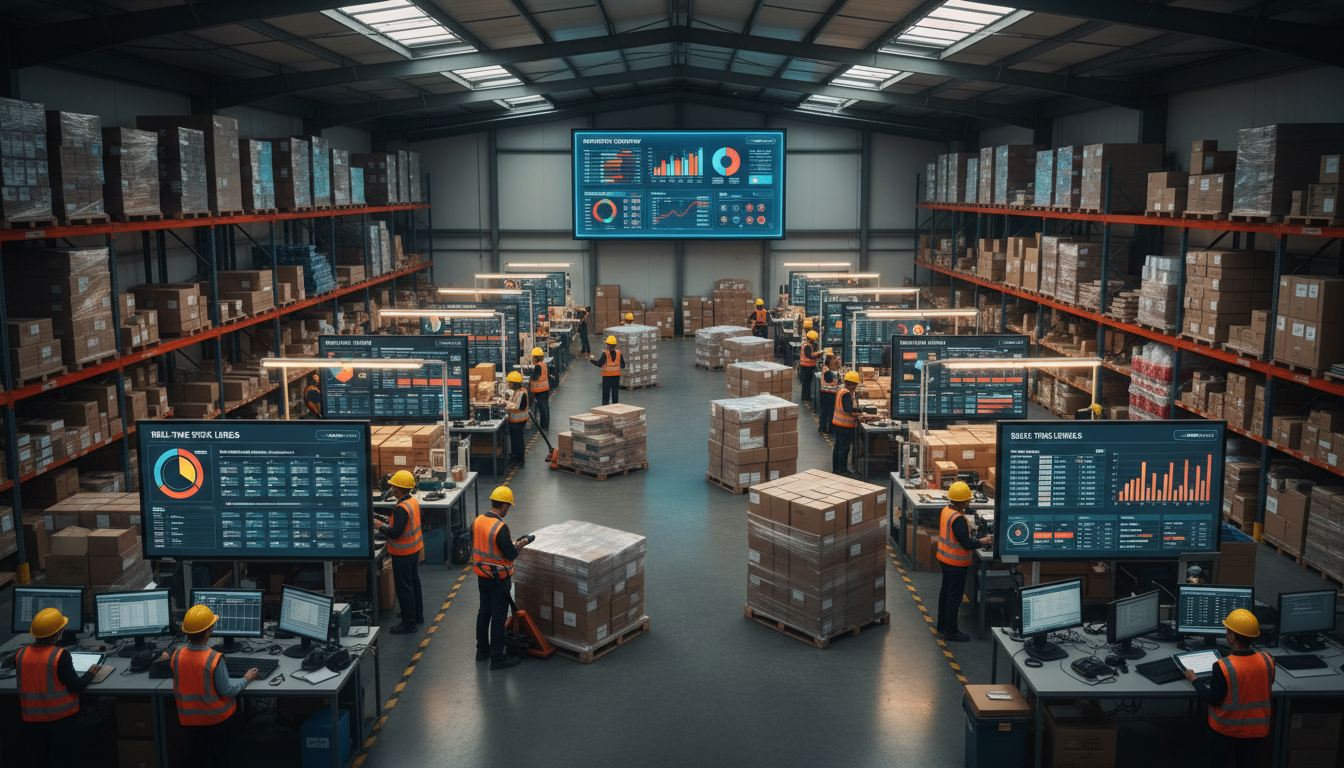
While stockouts receive immediate attention because customers notice them quickly, overstock create slower but equally damaging financial consequences.
Excess inventory occupies valuable warehouse space that could be used for faster-moving products. Businesses also spend more money on storage, insurance, utilities, labor, and inventory handling.
Over time, products may become outdated, expire, or lose value due to changing customer preferences. Seasonal items, electronics, fashion products, and certain industrial materials are especially vulnerable to depreciation.
Carrying too much inventory also limits cash flow. Instead of investing capital into marketing, expansion, or new product development, businesses have money tied up in products that may not sell for months.
Finding the right inventory balance is essential for sustainable warehouse operations.
Why Warehouse Management Makes the Difference
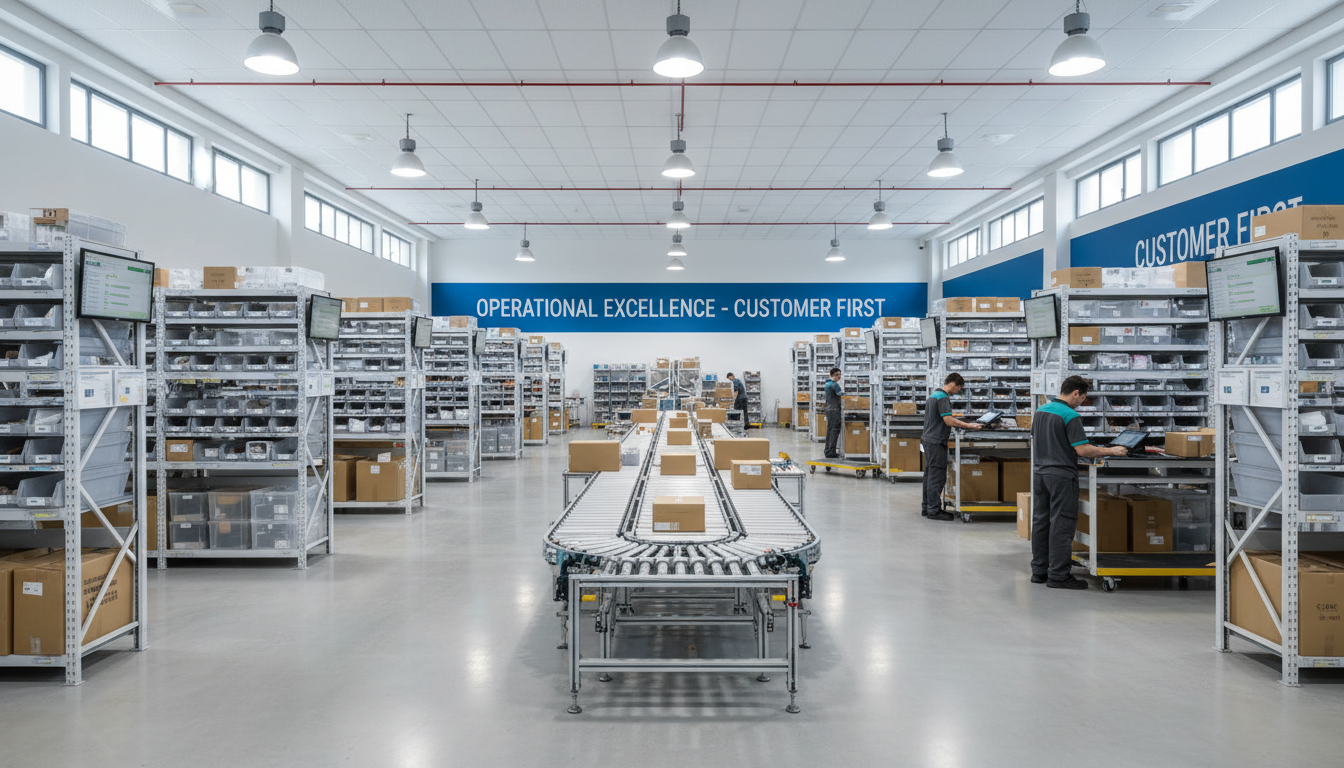
Warehouse management is much more than organizing shelves or storing products. A well-managed warehouse provides accurate inventory visibility, efficient workflows, and timely information that helps businesses make smarter purchasing decisions.
Modern Warehouse Management Systems (WMS) track inventory movements in real time, allowing managers to know exactly what products are available, where they are located, and how quickly they are moving.
Instead of relying on manual counts or outdated spreadsheets, warehouse teams can use live inventory data to replenish stock at the right time while avoiding unnecessary purchases.
Improved warehouse management also creates stronger communication between purchasing, sales, production, and logistics departments. Everyone works with the same accurate inventory information, reducing errors and improving planning.
Improving Inventory Visibility
One of the biggest reasons businesses experience inventory problems is poor visibility.
If warehouse managers cannot accurately see inventory levels, they often make purchasing decisions based on assumptions rather than facts.
Modern warehouse technology provides complete visibility across every stage of inventory movement. Businesses can monitor incoming shipments, products currently in storage, items reserved for customer orders, and outgoing shipments from one centralized system.
Barcode scanning, RFID technology, and mobile warehouse devices allow employees to update inventory instantly as products move through the facility.
This real-time visibility reduces inventory discrepancies while giving decision-makers greater confidence when planning future purchases.
Better Demand Forecasting Leads to Better Inventory Decisions
Forecasting customer demand has become increasingly sophisticated in recent years.

Rather than relying solely on historical sales data, businesses now analyze seasonal trends, economic conditions, promotional campaigns, supplier lead times, customer buying patterns, and market changes.
Warehouse management software integrates these factors to generate more accurate inventory forecasts.
When demand forecasting improves, purchasing teams order inventory at the appropriate time and in the appropriate quantities. This reduces both shortages and excess inventory while improving overall inventory turnover.
As forecasting technology continues to advance in 2026, businesses will have even greater opportunities to optimize inventory investments.
Automating Inventory Replenishment
Automation has transformed warehouse inventory management.
Instead of manually reviewing inventory reports every week, businesses can establish automatic reorder points based on sales velocity, safety stock levels, supplier lead times, and customer demand.
When inventory reaches predetermined thresholds, the warehouse system automatically generates purchase recommendations or purchase orders.
Automation reduces human error while ensuring inventory remains available without excessive stock accumulation.
Warehouse employees spend less time performing repetitive administrative tasks and more time focusing on value-added activities such as quality control, customer service, and operational improvements.
Using Data Analytics to Improve Inventory Performance
Warehouse data contains valuable insights that help businesses improve inventory management over time.
Analytics can identify products that consistently sell faster than expected, slow-moving inventory that should be discounted, seasonal buying trends, supplier performance, and warehouse efficiency.
Rather than reacting after inventory problems occur, businesses can proactively identify risks before they become costly.
Key inventory metrics often include inventory turnover, order accuracy, carrying costs, fill rates, stockout frequency, and warehouse productivity.
Monitoring these performance indicators allows continuous improvement across warehouse operations.
Warehouse Layout Also Impacts Inventory Accuracy
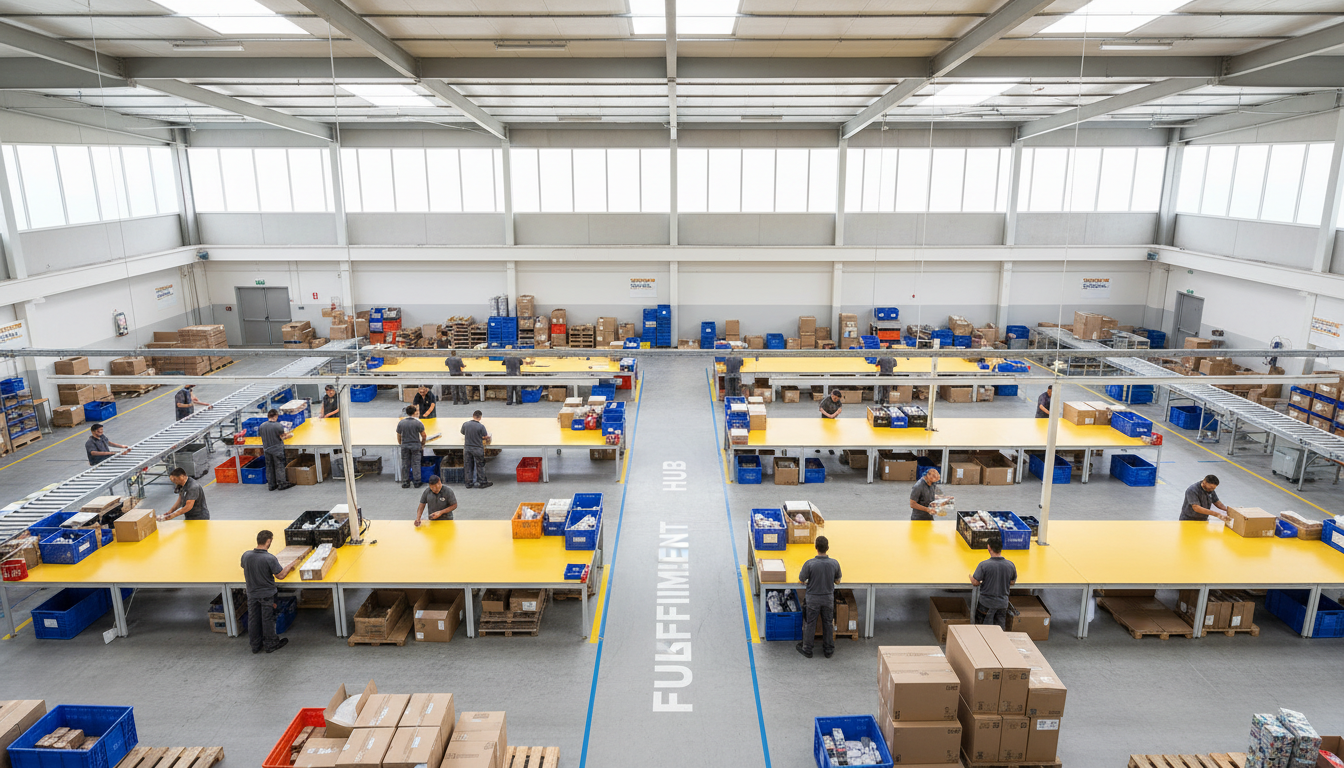
Inventory management is not only about software. Physical warehouse organizations play a key role in reducing stockouts and overstock.
Products should be stored based on demand frequency, product characteristics, and picking efficiency.
Fast-moving inventory should be placed in easily accessible locations, while slower-moving products can be stored in secondary areas.
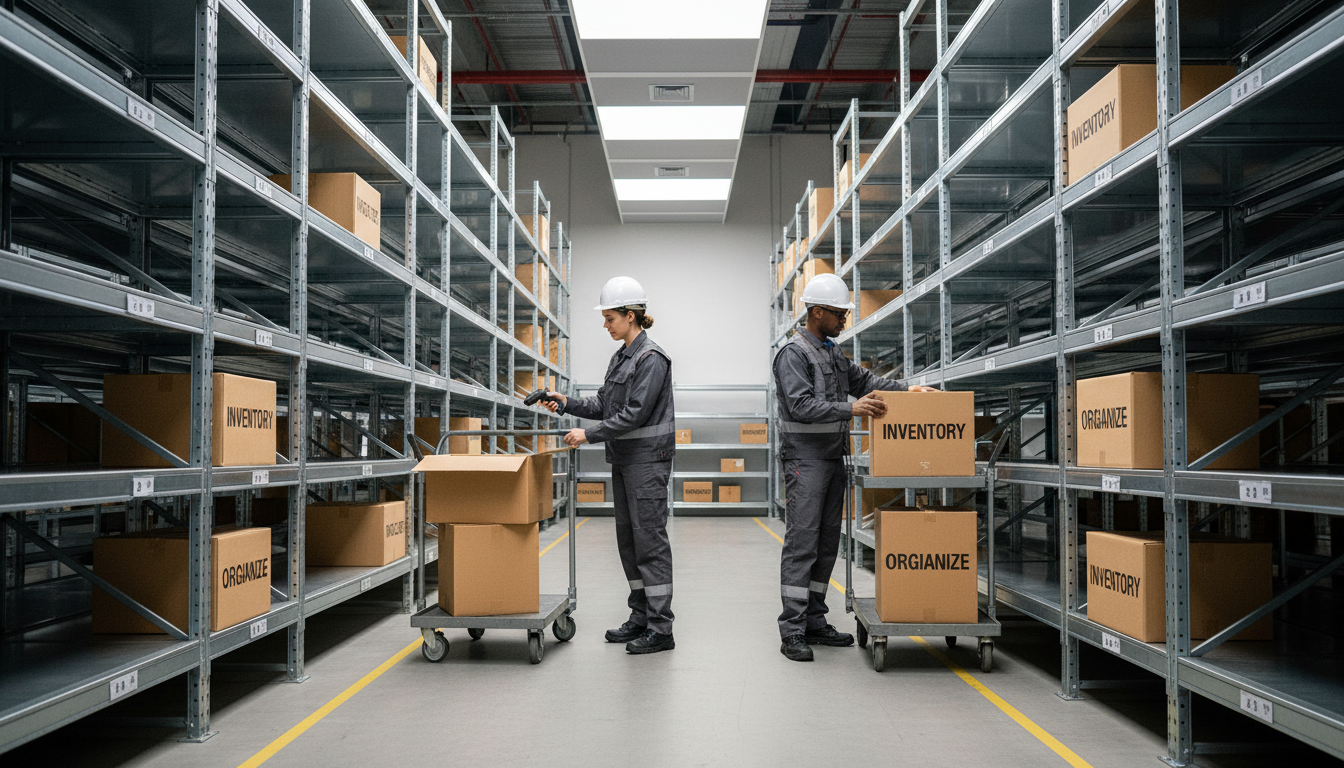
Clearly labeled storage locations, standardized receiving procedures, and organized picking paths reduce mistakes during inventory handling.
An optimized warehouse layout also shortens travel time for employees, improves order fulfillment speed, and minimizes inventory counting errors.
Employee Training Supports Better Inventory Control
Technology alone cannot eliminate inventory problems.
Warehouse employees must understand proper receiving procedures, inventory scanning, product identification, quality inspections, and cycle counting practices.
Regular training ensures employees follow standardized processes that maintain inventory accuracy.
Cross-training employees also improve warehouse flexibility during busy seasons, reducing operational disruptions that may contribute to inventory errors.
A knowledgeable workforce remains one of the most valuable investments for any warehouse operation.
The Growing Role of Artificial Intelligence in 2026

Artificial intelligence is becoming an increasingly valuable tool in warehouse management.
AI systems analyze enormous amounts of inventory data faster than traditional methods. They can identify demand patterns, predict inventory shortages, optimize reorder quantities, and even recommend warehouse layout improvements.
Machine learning algorithms continue improving as they process additional business data over time.
By 2026, many warehouses will rely on AI-assisted decision-making to maintain balanced inventory levels while reducing carrying costs.
Businesses that embrace these technologies early may gain significant competitive advantages through improved operational efficiency and customer satisfaction.
Supply Chain Collaboration Improves Inventory Planning
Warehouse management extends beyond the warehouse walls.
Successful inventory planning requires persuasive communication with suppliers, transportation providers, manufacturers, and customers.
Sharing accurate demand forecasts allows suppliers to better prepare production schedules and improve delivery reliability.
Likewise, transportation partners can coordinate shipments more efficiently, reducing unexpected delays that contribute to stockouts.
Collaborative planning creates a more resilient supply chain capable of responding quickly to changing market conditions.
Sustainability Benefits from Better Inventory Management
Reducing stockouts and overstock also supports environmental sustainability.
Excess inventory often results in waste when products expire, become obsolete, or require disposal. Overstocked warehouses consume more energy for lighting, climate control, and storage operations.
At the same time, emergency shipments caused by stockouts often require expedited transportation, increasing fuel consumption, and carbon emissions.
Smarter inventory management minimizes waste while improving operational efficiency, helping businesses achieve both financial and sustainability goals.
The Impact on Warehousing Businesses in 2026

The warehousing industry will continue evolving rapidly throughout 2026 as customer expectations, technology, and global supply chains become increasingly interconnected.
Businesses will expect faster deliveries, greater inventory accuracy, and complete visibility into warehouse operations. Warehouse providers that continue relying on manual inventory management will struggle to compete with facilities equipped with advanced warehouse management systems, automation, robotics, predictive analytics, and AI-driven forecasting.
Labor shortages may also continue encouraging investments in automation, allowing warehouse teams to accomplish more work with greater accuracy. Cloud-based warehouse platforms will enable businesses to monitor inventory from virtually anywhere while integrating seamlessly with transportation management systems, ERP software, and e-commerce platforms.
Customers will increasingly evaluate warehouse partners based on reliability, inventory accuracy, order fulfillment speed, and technology capabilities rather than simply storage capacity. Warehousing companies that prioritize continuous improvement and digital transformation will be better positioned to attract new clients and strengthen long-term customer relationships.
Ultimately, reducing stockouts and overstocks will become more than an operational objective, it will serve as a key competitive advantage that directly supports profitability, customer satisfaction, and business growth.
Conclusion
Reducing stockouts and overstocks begins with better warehouse management. By combining accurate inventory visibility, modern technology, employee training, automation, and data-driven decision-making, businesses can maintain the right inventory levels while improving customer service and reducing operational costs. As the warehousing industry continues to advance in 2026, companies that invest in smarter warehouse management solutions will be better prepared to adapt to changing market demands and achieve sustainable growth.
If your organization is looking for innovative warehouse solutions that improve inventory accuracy, streamline operations, and support long-term business success, AWT Warehouse Services delivers the expertise, technology, and customized solutions needed to help your supply chain operate more efficiently in today's competitive marketplace.