
Warehouse Slotting Optimization Strategies for Faster Picking and Packing
AB
Efficient warehousing is no longer about storing products safely. In today’s fast-paced supply chain environment, success depends on how quickly and accurately orders can be picked, packed, and shipped. One of the most powerful and often underutilized tools for improving warehouse performance is slotting optimization.
Warehouse slotting optimization refers to the strategic placement of inventory within a warehouse to minimize travel time, reduce labor costs, and increase order fulfillment speed and accuracy. When done correctly, slotting can transform a warehouse operation from reactive and inefficient into a streamlined, high-performance fulfillment engine.
This article explores what warehouse slotting optimization is, the most effective strategies for implementation, and the measurable impact it can have on warehouse operations and overall business performance.
Understanding Warehouse Slotting Optimization
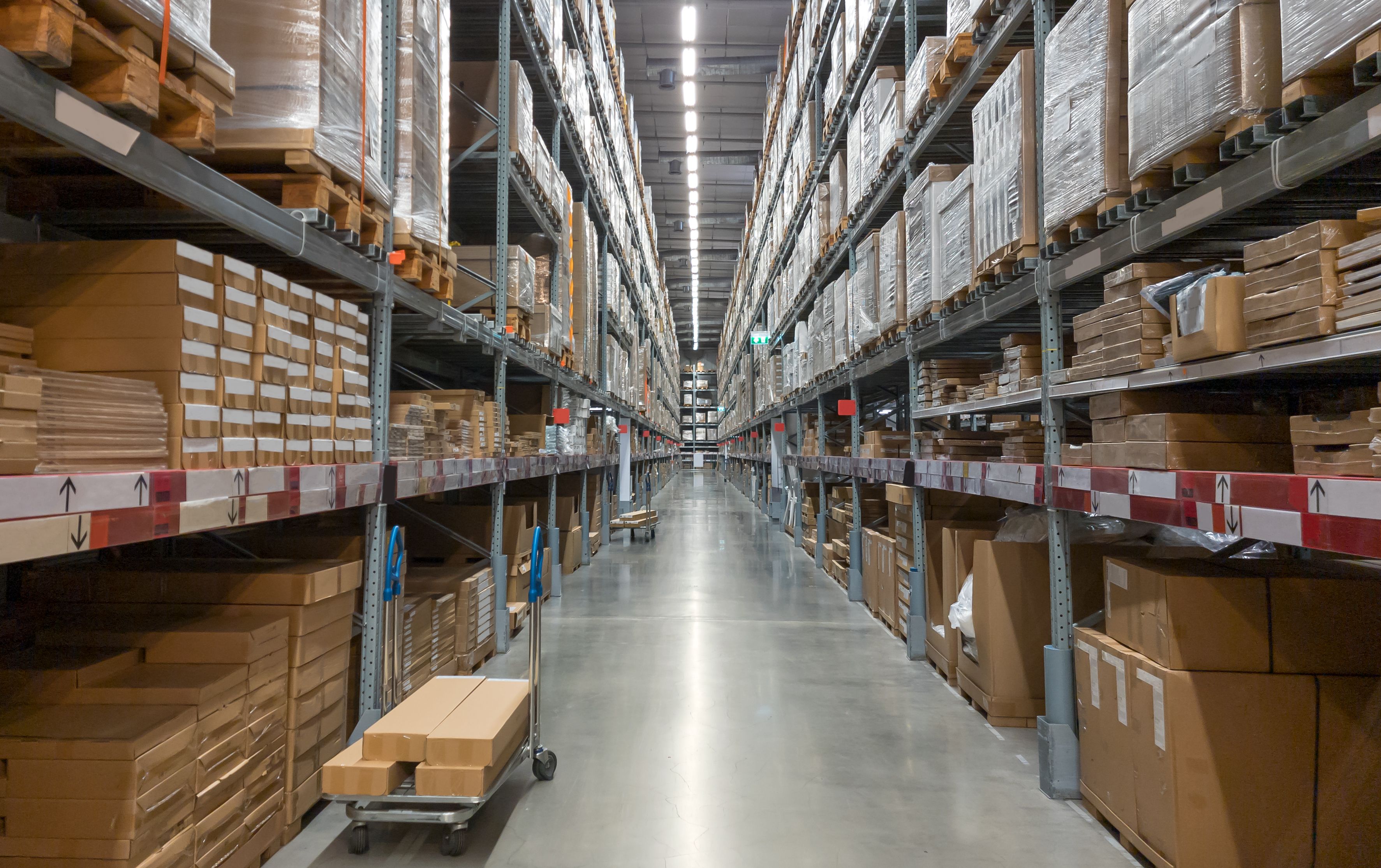
Slotting is the process of assigning specific storage locations to products based on defined criteria. Rather than placing items wherever space is available, slotting uses data to determine the most logical and efficient location for each SKU.
Optimization goes beyond simple organization. It leverages order history, product dimensions, velocity, weight, seasonality, and picking methods to engineer the warehouse layout for maximum efficiency.
The primary objective is simple:
Reduce picker travel time while increasing accuracy and throughput.
Since labor typically represents 50–70% of warehouse operating costs, improving picking efficiency can dramatically affect profitability.
Why Slotting Matters More Than Ever
Modern warehouse operations face several pressures:
- Increased e-commerce demand
- Shorter delivery expectations
- Greater SKU variety
- Rising labor costs
- Labor shortages
- Higher customer expectations for accuracy
Without optimized slotting, warehouses experience:
- Excessive travel time
- Congestion in picking aisles
- Frequent replenishment delays
- Increased picking errors
- Higher labor costs per order
Slotting optimization directly addresses these pain points.
Core Slotting Optimization Strategies for Faster Picking and Packing
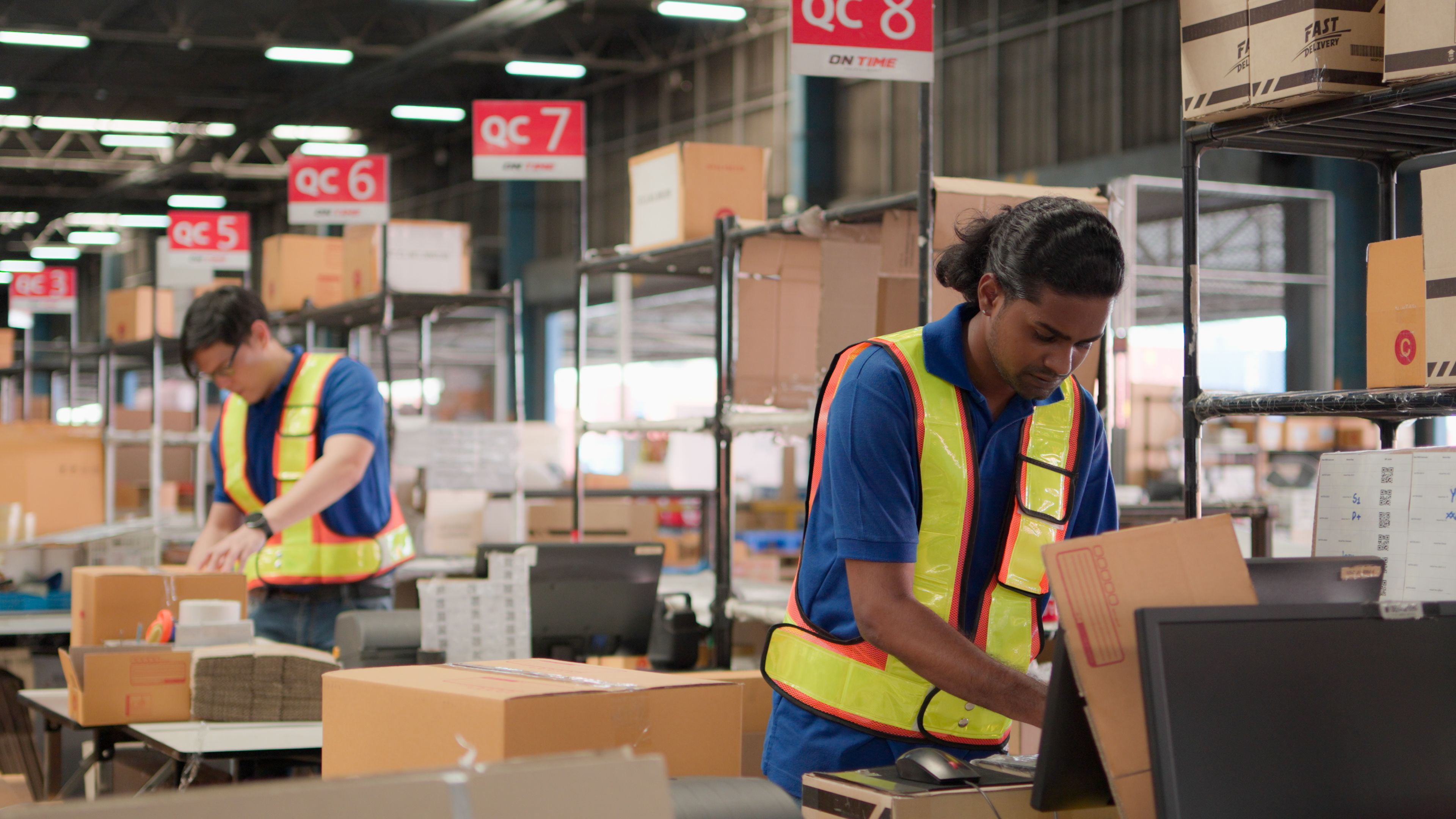
Below are the most effective strategies warehouse operators use to improve performance.
1. ABC Velocity Analysis
ABC analysis categorizes SKUs based on order frequency:
An item: High velocity (top 20% generating 80% of picks)
B items: Moderate velocity
C items: Low velocity
Strategy:
Place A items in prime picking locations:
Close to packing stations
In the golden zone (waist-to-shoulder height)
Easily accessible areas
C items can be placed in higher or lower slots or farther from the main picking area.
Impact:
- Reduces picker travel time by up to 30%
- Speeds up order fulfillment
- Improves labor productivity
2. Golden Zone Slotting
The golden zone refers to the most ergonomically efficient picking area typically between knee and shoulder height.
Strategy:
- Place high-frequency items within the golden zone.
- Assign heavy items to waist-level slots to reduce lifting strain.
- Store low-demand SKUs in less ergonomic positions.
Impact:
- Reduces worker fatigue
- Minimizes injury risk
- Increases pick speed
- Improves employee satisfaction
3. Order Profile Analysis
Understanding how customers order products is critical.
Questions to analyze:
- Which items are frequently ordered together?
- What is the average number of line items per order?
-Are there seasonal demand spikes?
Strategy:
- Slot commonly ordered items near each other.
- Create “fast pick” zones for common bundle orders.
- Prepare seasonal slotting adjustments.
Impact:
- Reduces zigzag picking patterns
- Shortens travel routes
- Speeds up multi-line order fulfillment
4. Family Grouping Strategy
Items with similar characteristics can be grouped together.
Examples:
- Fragile items
- Hazardous materials
- Temperature-sensitive products
- Same product category SKUs
Strategy:
Group similar products in designated zones while still considering velocity.
Impact:
- Simplifies picking processes
- Reduces errors
- Improves compliance with safety regulations
5. Cube Utilization Optimization
Warehouses often waste vertical and horizontal space.
Strategy:
- Match SKU dimensions to slot size.
- Avoid oversized locations for small items.
- Use adjustable racking systems.
Impact:
- Maximizes storage density
- Reduces replenishment frequency
- Improves overall space utilization
Efficient cube usage also reduces the need for expansion, saving significant capital investment.
6. Forward Pick Area Strategy
Instead of storing all inventory in bulk locations, high-velocity SKUs are placed in forward pick areas.
Strategy:
- Maintain smaller, easily accessible stock quantities in pick locations.
- Replenish bulk storage during low-activity periods.
Impact:
- Speeds picking
- Reduces congestion
- Improves workflow separation between picking and replenishment
7. Dynamic Slotting vs. Static Slotting
Traditional slotting is static for products that remain in assigned locations for extended periods.
Modern warehouses increasingly use dynamic slotting.
Static Slotting:
- Best for stable demand patterns.
Dynamic Slotting:
- Re-evaluates placement regularly based on data.
Adjusts for seasonality and demand changes.
Impact:
- Maintains peak efficiency year-round
- Responds to market changes
- Optimizes labor utilization continuously
8. Cross-Docking Integration
For fast-moving SKUs, cross-docking can eliminate storage time.
Strategy:
- Identify high-demand inbound items.
- Route them directly from receiving outbound staging.
Impact:
- Eliminates unnecessary handling
- Reduces storage congestion
- Speeds delivery cycles
9. Slotting Based on Picking Method
Different warehouses use different picking methods:
- Single order picking
- Batch picking
- Zone picking
- Wave picking
- Pick-to-light or voice picking
Strategy:
Design slotting layout based on the chosen picking methodology.
For example:
Zone picking benefits from balanced SKU distribution.
Batch picking benefits from clustering popular items.
Impact:
- Enhances picking flow
- Reduces bottlenecks
- Improves labor coordination
10. Data-Driven Slotting with WMS Technology
Warehouse Management Systems (WMS) play a central role in modern slotting.
Strategy:
- Use historical order data for slot analysis.
- Run simulation models before physical relocation.
- Monitor KPIs continuously.
Key KPIs:
- Pick rate per hour
- Travel time per order
- Order accuracy rate
- Replenishment frequency
Impact:
- Objective decision-making
- Ongoing optimization
- Improved forecasting
The Business Impact of Slotting Optimization
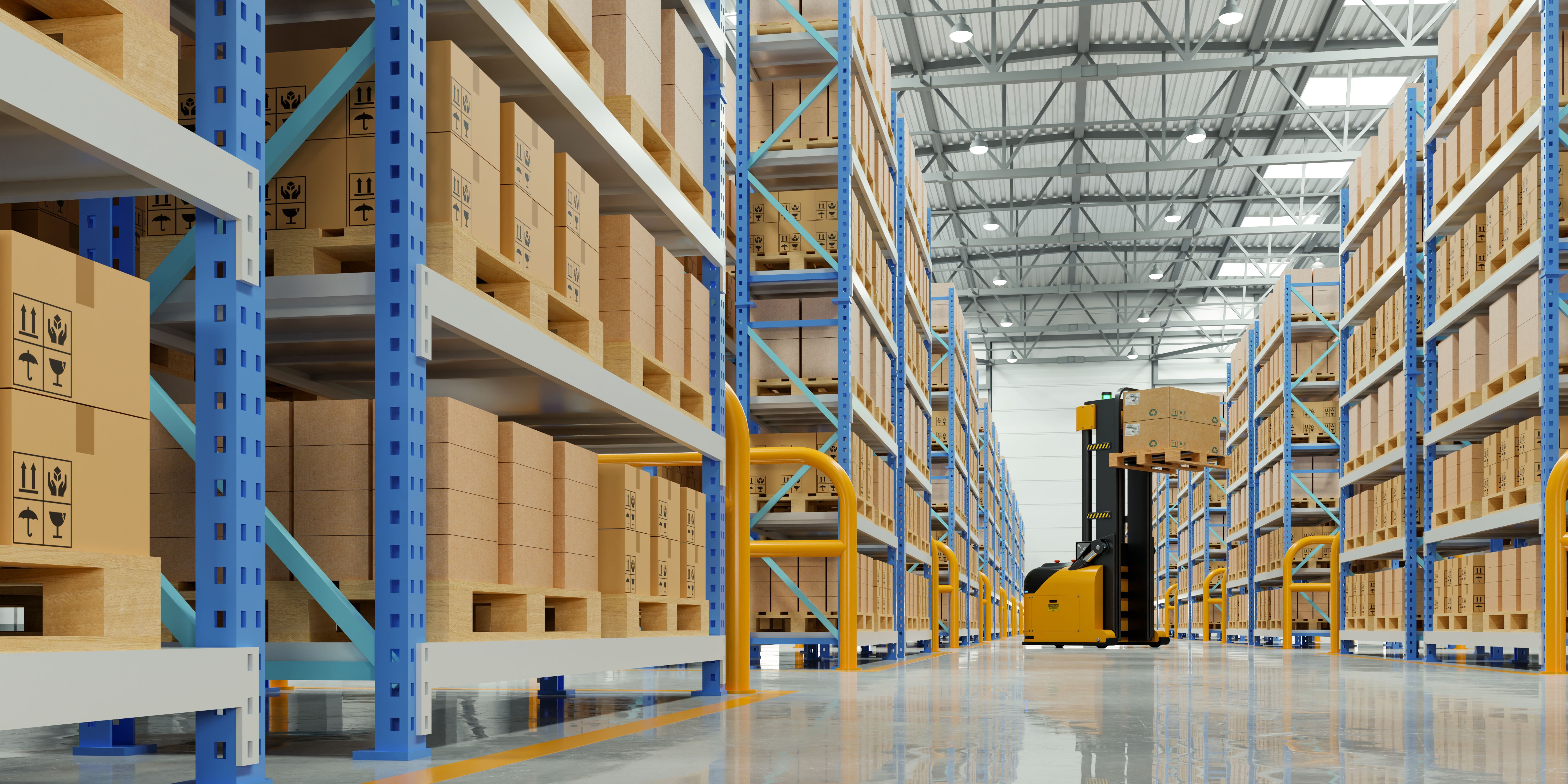
Slotting optimization is not simply an operational improvement. It directly impacts financial performance and customer satisfaction.
1. Reduced Labor Costs
Since picking represents the most labor-intensive activity in most warehouses, reducing travel time lowers total labor hours per order.
Even a 10–15% improvement in picking efficiency can significantly increase profit margins.
2. Faster Order Fulfillment
Optimized slotting reduces delays and congestion, allowing:
Same-day shipping
Faster order processing
Improved service-level agreements (SLAs)
In competitive markets, speed is a major differentiator.
3. Increased Order Accuracy
When items are logically placed and frequently ordered items are easily accessible:
- Fewer mistakes occur.
- Less time is spent searching for products.
-Quality control improves.
- Reduced errors mean fewer returns and higher customer satisfaction.
4. Improved Employee Productivity and Morale
Workers benefit from:
- Less walking
- Reduced physical strain
- Clear organization
- Predictable workflows
Improved morale leads to lower turnover a critical advantage in today’s labor market.
5. Better Space Utilization
Optimized slotting can delay or eliminate the need for warehouse expansion.
Maximizing existing capacity reduces capital expenditure and improves ROI on current infrastructure.
6. Scalability for Growth
As order volume increases, poorly slotted warehouses experience congestion and breakdown.
Optimized layouts:
- Handle higher volumes
- Support automation integration
- Maintain performance during peak seasons
7. Enhanced Customer Satisfaction
Faster, accurate shipping builds trust.
Customers reward reliable fulfillment with repeat business and positive reviews.
Slotting optimization therefore becomes a strategic growth tool, not just a warehouse tactic.
Common Challenges in Slotting Optimization
Despite its benefits, implementation can present challenges:
- Resistance to operational change
- Data inaccuracies
- Temporary productivity dips during re-slotting
- Insufficient WMS capabilities
- Labor required for relocation
However, with proper planning, pilot testing, and phased execution, these challenges can be minimized.
Implementation Roadmap
For warehouse operators considering slotting optimization, here is a practical roadmap:
- Conduct a full SKU and order analysis.
- Identify A, B, and C categories.
- Measure current picking metrics.
- Design a proposed slotting model.
- Simulate impact using WMS tools.
- Implement changes in phases.
-Train staff thoroughly.
- Monitor KPIs continuously.
- Adjust dynamically as demand changes.
Slotting should be treated as an ongoing strategy, not a one-time project.
The Future of Slotting Optimization
Emerging technologies are reshaping slotting strategies:
- AI-driven predictive analytics
- Robotics integration
- Automated storage and retrieval systems (AS/RS)
- Real-time heat mapping
- Digital twins for warehouse simulation
Warehouses that embrace these innovations gain measurable advantages in cost control and service levels.
As supply chains become more complex and customer expectations rise, slotting optimization will move from a competitive advantage to an operational necessity.
Conclusion
Warehouse slotting optimization is one of the most powerful tools available for increasing picking speed, reducing labor costs, and improving overall warehouse performance. By leveraging data, applying strategic SKU placement, and continuously refining layouts, warehouses can significantly enhance productivity and profitability.
In a competitive logistics environment where speed and accuracy define success, businesses need more than storage space; they need intelligent warehouse strategies. AWT Warehouse Services understands how to transform warehouse operations through data-driven slotting, efficient layout design, and operational excellence.
If your organization is ready to improve picking performance, reduce costs, and build a scalable fulfillment operation, AWT Warehouse Services is prepared to help you move forward with confidence.