
Why Every Warehouse Needs Real-Time Visibility in Operations
AB
The warehousing industry is evolving faster than ever. As customer expectations continue to rise and supply chains become more complex, warehouse operators are under increasing pressure to improve efficiency, accuracy, and responsiveness. In 2026, real-time visibility will no longer be considered a competitive advantage. It will be a fundamental requirement for successful warehouse operations.
Real-time visibility refers to the ability to monitor inventory, equipment, personnel, shipments, and warehouse processes as they happen. Through technologies such as warehouse management systems (WMS), Internet of Things (IoT) devices, barcode scanning, RFID tracking, automation platforms, and cloud-based analytics, warehouse managers can gain immediate access to critical operational data.
For warehouses seeking to remain competitive, profitable, and customer-focused, real-time visibility has become an essential component of modern operations.
Understanding Real-Time Visibility in Warehousing
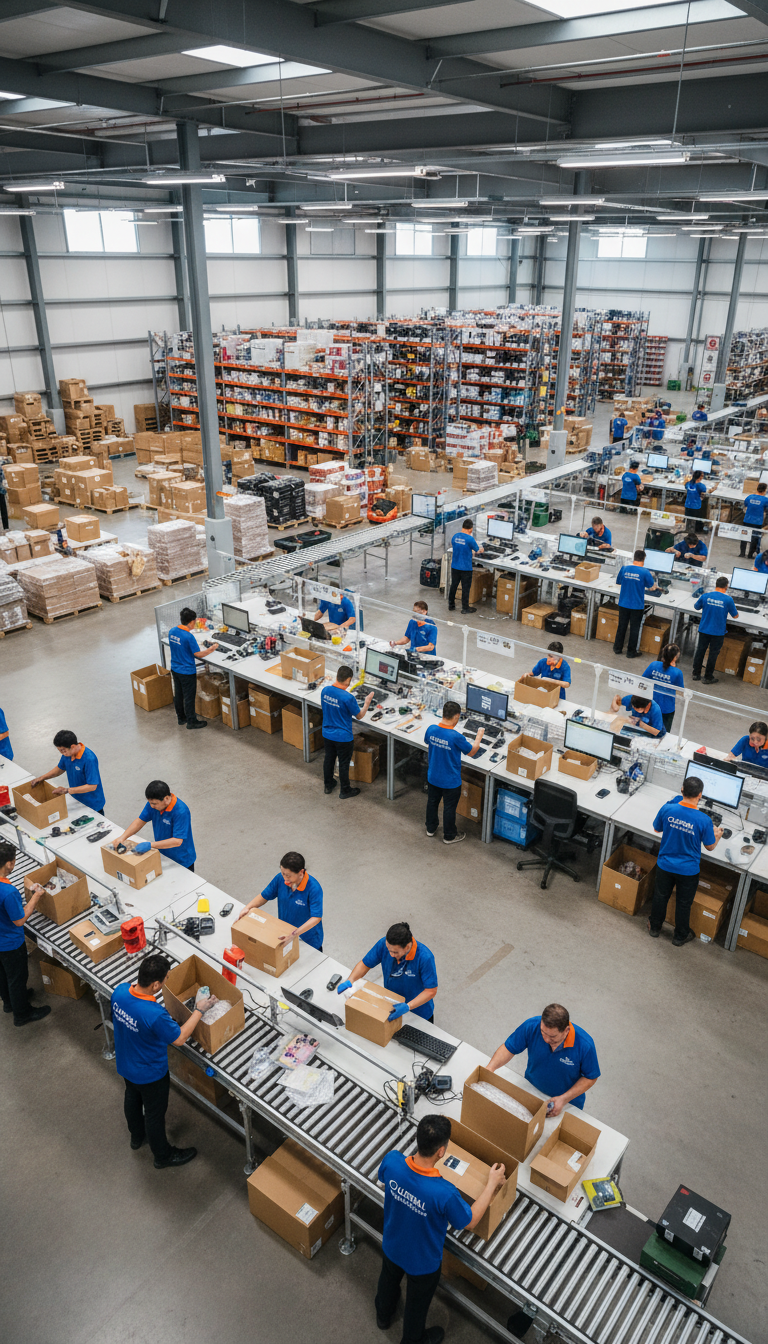
Real-time visibility allows warehouse managers and staff to view current operational conditions without delays. Instead of relying on outdated reports or manual inventory counts, teams can access live information regarding:
- Inventory levels
- Product locations
- Order status
- Equipment performance
- Employee productivity
- Shipping schedules
- Receiving operations
- Storage capacity utilization
This continuous flow of information enables faster decision-making and more effective warehouse management.
Why Real-Time Visibility Matters More Than Ever
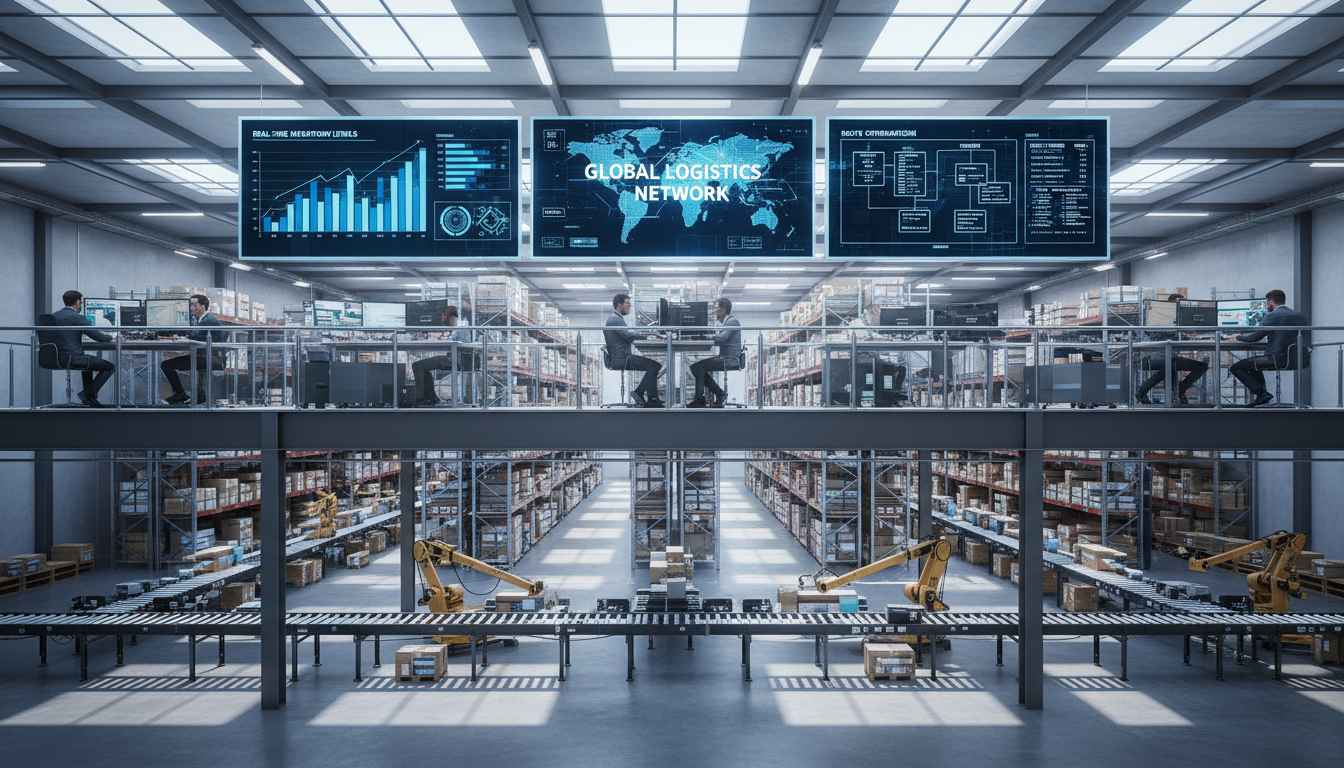
The modern supply chain operates around the clock. Customers expect rapid fulfillment, accurate deliveries, and instant order status updates. Warehouses serve as critical hubs within this ecosystem, making visibility essential for maintaining operational excellence.
Without real-time insights, warehouses face challenges such as:
- Inventory inaccuracies
- Delayed shipments
- Stockouts
- Overstock situations
- Labor inefficiencies
- Increased operational costs
- Reduced customer satisfaction
Real-time visibility helps eliminate these problems by providing accurate and timely information at every stage of warehouse operations.
1. Improved Inventory Accuracy
Inventory accuracy is one of the most important aspects of warehouse management.
Traditional inventory tracking methods often rely on manual data entry, periodic counts, or delayed updates. These approaches can result in discrepancies between actual stock levels and recorded inventory.
Real-time visibility provides instant inventory updates whenever products are received, moved, picked, packed, or shipped.
Benefits include:
- Reduced inventory discrepancies
- Better stock control
- Fewer lost items
- More accurate forecasting
- Improved replenishment planning
As businesses continue to expand their product offerings in 2026, maintaining accurate inventory data will become increasingly critical.
2. Faster Order Fulfillment
Customers increasingly expect same-day or next-day delivery options.
Real-time visibility helps warehouse teams locate products quickly and efficiently. Employees can access current inventory locations, prioritize urgent orders, and avoid delays caused by missing or misplaced items.
Advantages include:
- Faster picking processes
- Reduced order processing times
- Improved shipping speed
- Greater customer satisfaction
- Higher order accuracy
Efficient fulfillment operations directly contribute to stronger customer relationships and increased revenue.
3. Better Labor Management
Labor remains one of the largest operational expenses for warehouses.
Real-time monitoring enables managers to track workforce productivity, identify bottlenecks, and allocate resources more effectively.
With visibility into employee performance and workflow patterns, warehouses can:
- Balance workloads
- Reduce idle time
- Improve staffing decisions
- Enhance productivity
- Optimize labor costs
In an environment where labor shortages continue to affect supply chains, maximizing workforce efficiency will be a major priority in 2026.
4. Reduced Operational Costs
Every operational inefficiency ultimately impacts profitability.
Real-time visibility helps warehouses identify problems before they become costly disruptions.
Examples include:
- Detecting inventory shortages early
- Preventing unnecessary overtime
- Reducing excess inventory
- Avoiding expedited shipping costs
- Minimizing equipment downtime
By proactively addressing issues, warehouse operators can significantly reduce operating expenses while maintaining service quality.
5. Enhanced Supply Chain Coordination
Warehouses are interconnected with suppliers, transportation providers, distributors, and customers.
Real-time data allows all stakeholders to access accurate information regarding inventory availability, shipment status, and expected delivery timelines.
Improved coordination results in:
- Better communication
- Fewer delays
- Improved planning
- Greater supply chain resilience
- Enhanced customer service
As global supply chains become more interconnected in 2026, visibility across the entire network will become increasingly valuable.
6. Increased Warehouse Safety
Warehouse safety is a critical concern for every operation.
Real-time monitoring systems can track equipment usage, employee movement, environmental conditions, and potential hazards.
Benefits include:
- Faster incident response
- Improved compliance
- Reduced workplace accidents
- Better equipment monitoring
- Enhanced employee protection
A safer warehouse environment not only protects workers but also reduces liability and operational disruptions.
7. More Effective Space Utilization
Warehouse space is an asset.
Real-time visibility helps managers understand how storage areas are being used and identify opportunities for optimization.
With accurate utilization data, warehouses can:
- Maximize storage capacity
- Improve slotting strategies
- Reduce congestion
- Increase picking efficiency
- Delay costly facility expansions
As industrial real estate costs remain high, maximizing existing warehouse space will be increasingly important.
8. Predictive Maintenance and Equipment Reliability
Forklifts, conveyors, automated storage systems, and robotics are essential components of modern warehouse operations.
Real-time monitoring allows maintenance teams to track equipment performance continuously.
This approach helps:
- Identify early warning signs
- Schedule preventive maintenance
- Reduce unexpected breakdowns
- Extend equipment lifespan
- Improve operational continuity
Reliable equipment contributes directly to productivity and customer satisfaction.
9. Greater Customer Transparency
Customers want visibility into their orders from placement through delivery.
Real-time warehouse data support accurate order tracking and proactive communication.
Customers benefit from:
- Reliable order updates
- Improved delivery estimates
- Faster issue resolution
- Increased confidence in service providers
Companies that provide transparent customer experiences are often rewarded with stronger loyalty and repeat business.
10. Data-Driven Decision Making
Warehouse managers are responsible for making numerous operational decisions every day.
Real-time visibility provides access to accurate and actionable data, allowing leaders to make informed decisions regarding:
- Inventory planning
- Labor scheduling
- Capacity management
- Resource allocation
- Process improvements
Data-driven decision-making reduces uncertainty and improves overall business performance.
The Impact of Real-Time Visibility on Warehousing Businesses in 2026
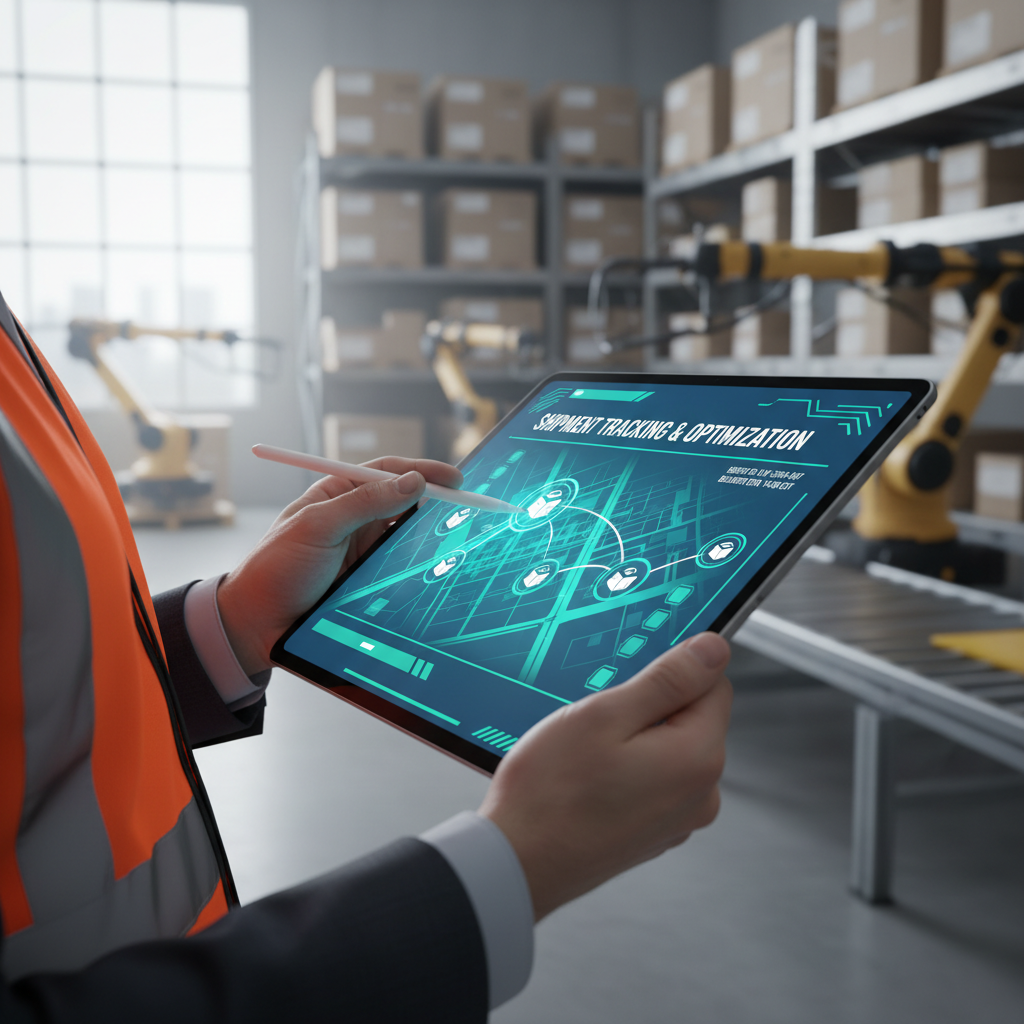
Looking ahead to 2026, real-time visibility will significantly influence the future of warehousing operations.
Increased Adoption of Automation
Automated warehouses depend on accurate real-time data to coordinate robots, conveyors, and automated storage systems. Visibility will serve as the foundation for successful automation initiatives.
Stronger Supply Chain Resilience
Economic uncertainty, transportation disruptions, and changing consumer demand require warehouses to respond quickly. Real-time information enables organizations to adapt more effectively to unexpected challenges.
Higher Customer Expectations
Customers will continue demanding faster deliveries and greater transparency. Warehouses lacking real-time visibility may struggle to meet evolving service expectations.
Improved Sustainability Efforts
Real-time operational data can help reduce waste, optimize transportation, lower energy consumption, and improve resource utilization, supporting sustainability initiatives across the supply chain.
Competitive Differentiation
Warehouses that invest in visibility technologies will gain a significant advantage over competitors still relying on manual processes and delayed reporting systems.
Greater Profitability
By improving efficiency, reducing errors, minimizing downtime, and optimizing resources, real-time visibility can directly contribute to stronger financial performance.
Best Practices for Implementing Real-Time Visibility
Organizations seeking to improve warehouse visibility should consider the following strategies:
1. Implement a modern Warehouse Management System (WMS).
2. Utilize barcode scanning and RFID technologies.
3. Integrate IoT-enabled sensors and equipment.
4. Establish real-time dashboards and reporting tools.
5. Connect warehouse systems with transportation and ERP platforms.
6. Train employees on data-driven workflows.
7. Monitor key performance indicators continuously.
8. Invest in cloud-based technology infrastructure.
9. Conduct regular process audits.
10. Build a culture focused on operational transparency.
Warehouses that successfully implement these practices will be better positioned to meet future market demands.
Conclusion
Real-time visibility has become a cornerstone of modern warehouse management. As warehousing operations grow increasingly complex in 2026, organizations that can access and act on real-time information will enjoy higher efficiency, better customer service, improved inventory accuracy, and stronger profitability.
From labor management and inventory control to automation and customer satisfaction, visibility empowers warehouses to make smarter decisions and operate with greater confidence.
For businesses seeking dependable warehousing solutions that embrace operational excellence, efficiency, and advanced logistics capabilities, AWT Warehouse Services offers the expertise and infrastructure needed to help companies optimize their supply chain performance and prepare for the future of warehousing.